It’s one of the most common questions we hear from home builders who are serious about growing: “Should I hire someone in-house or work with a marketing agency?” Both options have real merit – and real drawbacks. The wrong choice can cost you tens of thousands of dollars and months of lost momentum.
This guide breaks down the comparison honestly, covering cost, expertise, speed to results, accountability, and when each option makes the most sense for a residential building company.
When builders think about hiring in-house, they typically think about salary. But the true cost of an in-house marketing hire is much higher than most realize:
All in, a single in-house marketer typically costs $75,000-$120,000 per year before you’ve spent a dollar on actual advertising. Compare that to a specialized home builder marketing agency, where full-service retainers typically range from $2,500-$8,000 per month – covering strategy, execution, reporting, and often ad management.
Here’s the uncomfortable truth about most in-house marketing hires: they’re generalists. They may be skilled at social media, or good at email, or competent at writing blog posts – but rarely are they experts in SEO, paid search, conversion rate optimization, video production, and local search all at once.
A specialized home builder marketing agency, by contrast, brings a team of specialists under one roof. You get:
No single hire can replicate that bench depth.
“The builders who grow fastest aren’t the ones who try to do everything internally. They’re the ones who partner with specialists and stay focused on what they do best – building homes.”
If you hire in-house today, here’s a realistic timeline: 30-60 days to hire, 30-90 days to onboard and get up to speed, and another 60-90 days before they’ve built out any meaningful campaigns. You’re looking at 4-6 months before you see any traction – at full salary cost the entire time.
A good agency can have your Google Ads live within 2 weeks, your SEO foundation built in 30 days, and your lead generation system operational within 60 days. For builders who need pipeline now, this speed advantage is significant.
Your marketing needs will change as your business grows. During peak seasons you may need more ad spend, more content, or more lead follow-up infrastructure. During slower periods, you may want to dial back. An agency model allows this kind of flexibility. You can scale up, scale down, or shift budget between channels based on market conditions.
With an in-house hire, you’re locked into a fixed salary regardless of results or seasonal needs. If your marketer isn’t delivering, managing them out is costly and time-consuming.
Book a free growth audit and we’ll give you an honest assessment of whether an agency or an in-house hire makes more sense given your current stage and goals.
One underappreciated advantage of working with a specialist agency is built-in accountability. Reputable agencies provide monthly reporting on key metrics: leads generated, cost per lead, website traffic, ranking improvements, and return on ad spend. If performance slips, you have a clear conversation backed by data.
In-house marketers are harder to hold accountable. Unless you have the marketing expertise yourself to evaluate their work, you may not know if their efforts are actually producing results or just activity.
Home building is a uniquely complex industry to market. Sales cycles run 6-18 months. The purchase decision is the largest of most buyers’ lives. Buyers require extensive trust-building before they’ll even take a call. The visual presentation of your work matters enormously. And local market dynamics – competition, permit timelines, lot availability – vary dramatically by region.
A generalist agency that also handles e-commerce brands, restaurants, and dental offices simply doesn’t have the depth of understanding needed to market a custom home builder effectively. Every campaign decision requires industry context that generalists lack.
For builders doing $5M+ in annual revenue, a hybrid model is sometimes the best answer: hire a marketing coordinator in-house to handle day-to-day tasks, community management, and project photo coordination – while partnering with a specialized agency for strategy, paid media, SEO, and reporting. This combines internal brand knowledge with specialist execution.
Here’s a straightforward guide based on where you are in your business:
The bottom line: for most home builders, a specialized marketing agency delivers better results faster and at lower true cost than an in-house hire – especially in the growth phase. The key word is “specialized.” A generalist agency isn’t much better than a generalist hire. You need a team that lives and breathes residential construction marketing every single day.
Most home builders we talk to have the same problem: their pipeline is either feast or famine. They land a big project, focus on delivering it, and when they look up six months later, there’s nothing in the queue. The solution isn’t working harder – it’s building a systematic marketing engine that generates leads consistently, whether you’re on the job site or not.
Here are seven proven strategies that the highest-growth residential builders are using right now to keep their pipelines full year-round.
Your website is your most valuable marketing asset – and for most builders, it’s massively underperforming. A website that “looks nice” is not the same as a website that converts visitors into consultation requests.
A high-converting home builder website needs:
When a homeowner searches “custom home builder in [your city],” you need to appear in the top three results. This is achieved through local SEO – optimizing your Google Business Profile, building consistent citations, earning quality reviews, and publishing location-specific content on your website.
Local SEO is the highest ROI marketing channel for most home builders because it delivers buyers who are actively searching, in your area, ready to talk. Unlike paid ads, it compounds over time and doesn’t stop when you turn off the budget.
Google Ads puts your company in front of buyers the moment they search. When done correctly with the right keywords, ad copy, and landing pages, it’s one of the fastest ways to generate qualified consultations.
Focus your Google Ads budget on high-intent keywords like “custom home builder [city],” “new home construction [area],” and “home building companies near me.” Avoid broad or informational keywords that attract researchers, not buyers. Make sure every ad click lands on a dedicated landing page – not your homepage – with a single clear conversion goal.
“The builders who win in 2025 aren’t the ones spending the most on marketing. They’re the ones who have a system – one that attracts the right buyers, builds trust automatically, and converts leads while the owner is on the job site.”
Buying a custom home is a $400,000-$1,500,000+ decision. Buyers need to see evidence that you deliver before they’ll take a call. Social proof is how you build that confidence at scale.
Your social proof system should include:
We build complete marketing systems for home builders – from your website and SEO to ads, reviews, and lead nurture. Let’s talk about what your pipeline needs.
Content marketing for home builders is not about writing generic blog posts. It’s about publishing information that your ideal buyers are already searching for – and positioning your company as the obvious expert they should call.
High-performing content topics for builders include:
Word of mouth is how most builders got their first clients – but most leave it entirely to chance. A formal referral program systematizes it. After every project completion, send a handwritten thank-you, follow up with a referral request, and consider offering a meaningful incentive (a gift card, a donation to a charity of their choice, or a service upgrade on a future project).
Also build referral relationships with allied professionals: real estate agents, architects, interior designers, custom lot sellers, and mortgage brokers. These people interact with your ideal buyers every day and can send you warm referrals consistently.
Most home building leads aren’t ready to buy the day they first contact you. The typical custom home buyer researches for 6-12 months before signing a contract. An email nurture sequence keeps you top of mind throughout that journey so that when they’re ready, you’re the builder they call.
A solid nurture sequence for builders includes:
None of these strategies matter if you don’t know which ones are generating revenue. Set up proper tracking: Google Analytics for website behavior, call tracking for phone leads, and a CRM to track where every lead comes from and how they convert. Review your numbers monthly and reinvest in channels that are delivering profit.
The builders who grow most predictably aren’t the ones with the biggest marketing budgets – they’re the ones with the most disciplined marketing systems. Start with two or three of these strategies, execute them consistently, and add layers over time. Within 12 months, you’ll have a pipeline that doesn’t depend on luck.
In most local markets, homeowners can choose from a dozen or more builders. The quality of workmanship between reputable builders is often comparable. So what actually makes a buyer choose one builder over another? More often than not, it comes down to brand – the sum total of how a company makes people feel, how visible it is, and how much trust it has built before the first conversation.
This guide covers how to build a brand that positions your building company as the clear, obvious choice in your local market.
Many builders confuse advertising with branding. Advertising is what you say about yourself in paid channels – your Google Ads, your Facebook campaigns, your billboard. Brand is what people already think and feel about your company before they see any ad.
A strong brand makes your advertising more effective, your referrals more frequent, and your close rates higher. It’s the reason some builders can charge a premium while others compete on price. Brand is built over time through consistent actions, consistent visuals, consistent messaging, and consistently delivering on your promises.
Every memorable brand has a story. Not a corporate biography – a story that connects with what your buyers care about. Ask yourself: Why did you start building homes? What do you believe about how a home should be built? Who are your best clients and why do they choose you?
Your brand story should answer:
“The builders who win on brand aren’t just building houses – they’re selling a vision of what life looks like in a home built exactly to a client’s standards. That emotional connection is what no competitor can easily replicate.”
Your visual identity is the first impression your brand makes. It includes your logo, color palette, typography, photography style, and how all of these elements work together across every touchpoint – your website, your vehicle wraps, your yard signs, your business cards, your social media.
A strong visual identity for a home builder should communicate:
Invest in professional photography of your completed projects. Nothing communicates craftsmanship better than beautiful photos of beautiful homes. This is not an area to cut corners.
Your brand voice is how your company sounds in writing and in conversation. It should be consistent whether someone is reading your website, seeing an Instagram caption, or getting an email from you. A clear brand voice builds familiarity and trust over time.
Decide on your voice attributes – are you warm and educational? Direct and confident? Premium and aspirational? Choose 3-4 adjectives that describe how your company communicates, and apply them consistently across all channels.
We help home builders develop their brand positioning, visual identity, and messaging so they stand out in competitive markets and attract the clients they want.
The most powerful brand-building tool available to any home builder is social proof – other people’s validation of your work. Reviews, testimonials, project galleries, and case studies do more for your brand than any amount of self-promotion.
Build your social proof systematically:
Brand awareness is built through repetition. When potential buyers in your market see your company name, logo, and messaging consistently across multiple channels over time, you become familiar – and familiar feels trustworthy. Show up consistently on:
Your brand is only as strong as your reputation. One unaddressed negative review, one unanswered complaint, or one widely circulated story about a bad experience can undermine years of brand-building. Reputation management is an active discipline.
Monitor your online reputation weekly. Respond to every review – positive or negative – within 48 hours. When something goes wrong on a project, address it directly and document your resolution. How you handle problems is itself a brand statement.
The most brand-loyal home buyers will send you referrals without being asked – but a formal system dramatically increases the volume. After project completion, send a handwritten note, a small gift, and a referral card with your Google review link. Follow up annually to maintain the relationship. These past clients are your most credible brand ambassadors – invest in them accordingly.
A strong brand is not built overnight, but every investment you make in your positioning, visual identity, messaging, and reputation compounds over time. The builders who are category leaders in their local markets almost always have a stronger brand than their competitors – not just better workmanship. Start building yours today.
Most home builders who’ve tried a general marketing agency have a similar story: the agency was enthusiastic at first, ran some ads, posted some content – and then delivered mediocre results that didn’t justify the cost. The problem usually isn’t that the agency was bad at marketing in general. The problem is that marketing home building requires a level of industry-specific knowledge that generalists simply don’t have.
This article breaks down exactly why home building is different – and why that difference makes specialized marketing expertise not just helpful, but essential.
A typical e-commerce brand measures its marketing performance in days or weeks. A home builder’s sales cycle runs 6-18 months from first contact to signed contract. This fundamental difference shapes every aspect of how marketing should be designed and executed.
Generic marketers are trained to optimize for fast conversions. They measure success in clicks, form fills, and short-term lead volume. But for a builder, a lead that isn’t nurtured through a 12-month journey will almost always fall off. Specialized marketing for builders is designed around long-cycle nurture strategies – email sequences, regular touchpoints, and trust-building content that sustains engagement over time, not just captures it once.
Buying a custom home is categorically different from buying almost anything else. It’s the largest financial decision most people ever make. It requires months of planning, deep trust in the builder, and significant emotional investment. The messaging that works for a $50 product – urgency, discounts, scarcity – is actively harmful for a $600,000 home build.
High-ticket marketing must be built around:
“A generalist agency will run the same playbook they use for their restaurant clients on your home building company. The result is wasted budget and wrong-fit leads. Your marketing needs to be built for your sales cycle, your buyers, and your industry – not adapted from someone else’s template.”
When a homeowner hires a builder, they’re not just buying a product – they’re entering a relationship that will span 12-24 months. They’re trusting you with their family’s most important asset. They’re staking their savings, their emotions, and their vision of the future on your ability to deliver.
This level of commitment requires a marketing approach that builds trust systematically before a buyer ever contacts you. That means maintaining an active online reputation, publishing educational content that demonstrates expertise, showcasing the human side of your team, and providing absolute transparency about your process, pricing structure, and what to expect.
Home building is a visual industry. A builder’s work is judged almost entirely by what it looks like – both in photographs and in person. Generic marketers often treat photography as an afterthought or rely on stock images. Specialized builder marketers know that professional photography is the foundation of every other marketing effort.
When photos of your work appear in ads, on your website, in your Google Business Profile, and on social media, they need to be magazine-quality. They need to show the specific details that matter to your ideal clients – the cabinetry, the tile work, the ceiling treatments, the natural light. Every marketing channel you use will perform better with great photography behind it.
We work exclusively with home builders and residential contractors. Book a free growth audit and see exactly how a specialized approach would change your results.
Home building is hyper-local. The competitive landscape, the typical project budget, the permit process, the lot availability, the neighborhood desirability – all of these factors vary dramatically from market to market. A builder in Phoenix competes in a completely different environment than one in Charlotte or Minneapolis.
Specialized marketing teams understand this and build strategies tailored to your specific local market – the keywords buyers in your city actually search, the competitors you’re up against, the seasons that drive buyer activity in your region, and the local media and community channels that build credibility.
Custom home buyers come in with a vocabulary: they talk about spec homes vs. custom builds, production builders vs. custom builders, modular vs. site-built, floor plan modifications, change orders, draw schedules, and finish levels. A generalist marketer writing content for a builder’s website will get these things wrong – using imprecise language that signals to informed buyers that the company doesn’t really understand the process.
Specialized marketers speak your buyers’ language fluently. They understand what a prospective client is thinking about at each stage of their research, what questions keep them up at night, and what objections they need addressed before they’ll pick up the phone.
In home building, a single signed contract can be worth $400,000-$2,000,000 in revenue. This changes the ROI math entirely. A specialized marketing partner understands that a $3,000/month investment that generates even one additional project per year could represent a 10x or greater return – and they build strategies around capturing those high-value opportunities rather than optimizing for vanity metrics like follower count or click-through rate.
If you’re a home builder who has been burned by generalist agencies or is evaluating your marketing options, the key question to ask any prospective marketing partner is: “What percentage of your clients are home builders or residential contractors?” If the answer is less than 50%, they simply won’t have the industry depth to serve you effectively. Specialization matters – and for home builders, it often makes the difference between a marketing investment that generates real pipeline and one that produces nothing but frustration.
Most home builders think about marketing in terms of individual tactics: run some ads, post on Instagram, maybe do some SEO. But tactics in isolation rarely produce consistent results. What actually drives a predictable pipeline is a marketing funnel – a structured system that moves prospective buyers from first awareness all the way through to a signed contract, and then beyond into referrals and repeat business.
Understanding your funnel means understanding exactly where buyers are in their journey and what they need from you at each stage. When you build your marketing around that journey, every dollar you spend works harder and every lead is handled with more intention.
A marketing funnel is a model that maps the stages a prospective buyer moves through before becoming a client. For home builders, that journey typically spans months – sometimes more than a year. It begins when someone first becomes aware that building a custom home is an option, and it ends with a signed contract, a completed build, and ideally, a client who refers their friends.
The funnel is typically divided into three main zones:
After the sale, a well-run funnel continues into a post-sale phase designed to generate reviews, referrals, and long-term relationships.
Most builders invest only in bottom-of-funnel activities – they run ads hoping to reach people who are already ready to buy. This leaves enormous value on the table. Builders who invest across the entire funnel create a compounding system that keeps their pipeline full regardless of market conditions.
At the top of the funnel, your goal is simple: get found by the right people. These are homeowners who are starting to think about building – maybe they’ve been browsing floor plans online, looking at land listings, or following home design accounts on Instagram. They aren’t ready to call anyone yet. They’re exploring.
Your job at this stage is to show up where they’re looking and give them a reason to pay attention to you.
Publishing educational content is one of the most cost-effective top-of-funnel strategies for home builders. When someone searches “how much does it cost to build a custom home in [city]” or “what to know before building a home,” your blog posts and guides can be the first thing they find. This creates a warm introduction – you’ve helped them before they’ve ever heard your name.
High-performing TOFU content topics include:
The SEO component is critical. Content only generates awareness if people can find it. Optimize every piece for the specific questions buyers in your market are asking.
Instagram, Pinterest, and Facebook are where future homeowners go to get inspired. Your project photos, build progress videos, and design details can reach thousands of people who are dreaming about their future home. Post consistently, use local hashtags and geotags, and make sure every image is high-quality and representative of the work you want more of.
Short-form video – Reels, TikTok, YouTube Shorts – has become a dominant top-of-funnel channel for builders. Time-lapses of framing going up, walkthroughs of completed homes, and candid behind-the-scenes content all perform well and build brand recognition faster than static photos alone.
Meta (Facebook and Instagram) ads are the most practical paid channel for top-of-funnel awareness. You can target homeowners by geography, income, life events (recently married, growing family), and interests related to home design and real estate. Awareness campaigns at this stage should not be hard-sell – they should showcase your work and invite people to follow you, visit your gallery, or read a helpful guide.
YouTube pre-roll ads with project showcase videos can also build significant brand recognition in your local market at a relatively low cost per impression.
Once someone knows you exist, the work of earning their trust begins. Middle-of-funnel buyers are actively comparing builders. They’re reading reviews, studying portfolios, watching testimonial videos, and asking friends for recommendations. At this stage, the question they’re trying to answer is: “Can I trust this builder to take care of me through one of the biggest investments of my life?”
Everything you do in the MOFU should answer that question with a definitive yes.
When a prospect submits a contact form, downloads a guide, or signs up for your newsletter, they enter your email list – and that’s where nurture sequences go to work. A well-structured email sequence keeps you top of mind over the weeks and months it takes buyers to make their decision.
A strong MOFU email sequence for home builders includes:
Automation tools like GoHighLevel, HubSpot, or ActiveCampaign make it straightforward to set these up once and have them run automatically every time a new lead enters your system.
Buyers at the consideration stage read reviews obsessively. Your Google Business Profile star rating, the number of reviews you have, and the quality of what past clients say about you can make or break a lead’s decision to reach out. Aim for a minimum of 25-50 detailed, genuine Google reviews. More is always better.
Beyond Google, reputation on Houzz, the BBB, and any local home builder associations adds layers of credibility that sophisticated buyers look for.
Generic before-and-after photos are fine. Detailed project case studies are far more powerful. A case study walks a prospective buyer through the full story: the client’s vision, the challenges encountered, the solutions your team developed, and the final result. Include actual data where possible – square footage, timeline, key features, what made it special. These give buyers a concrete picture of what it’s like to work with you.
“The buyers who are ready to sign are always the ones who feel like they already know you before they ever pick up the phone. That only happens when you’ve been nurturing them with great content and proof throughout the entire consideration phase.”
Bottom-of-funnel buyers are ready. They’ve done their research, they’ve narrowed their list, and they’re booking consultations with two or three builders. Your goal now is to convert that initial inquiry into a consultation, that consultation into a proposal meeting, and that proposal into a signed contract.
Speed and professionalism matter enormously at this stage. Studies consistently show that the builder (or any service provider) who responds to an inquiry first has a significant advantage over competitors who follow up hours or days later.
Google Ads are the most effective paid channel for bottom-of-funnel capture because they reach buyers at the exact moment of intent. When someone searches “custom home builder in [your city]” or “new construction companies near me,” a well-placed search ad can put your company at the top of the results immediately.
Focus your ad budget on high-intent, geographically specific keywords. Drive every click to a dedicated landing page – not your homepage – with a single clear call to action and a fast-loading design optimized for mobile users.
Your consultation is a sales touchpoint, not just an informational meeting. Structure it intentionally: ask great discovery questions, understand the buyer’s vision, timeline, and budget, and present your process in a way that makes working with you feel like the obvious choice. Follow up within 24 hours with a personalized email that references specifics from the conversation.
Many builders lose deals in the proposal phase not because of price, but because of presentation. A professional, well-designed proposal document that clearly outlines the scope, investment, process, and what the buyer can expect signals competence and professionalism. After sending the proposal, follow up consistently – a brief check-in after three days, a value-add email after a week, and a personal call if you haven’t heard back after two weeks.
We design and build complete marketing systems for home builders – from top-of-funnel awareness through bottom-of-funnel conversion and post-sale referrals. Let’s map your funnel together.
The funnel doesn’t end at the signed contract – or even at move-in day. Your happiest clients are your best marketing asset. A deliberate post-sale system turns completed projects into five-star reviews, referral introductions, and future repeat business.
Build your post-sale process around these touchpoints:
A funnel you can’t measure is a funnel you can’t improve. Track these metrics at each stage to understand where your system is performing and where it’s leaking.
Building a marketing funnel is not a one-time project – it’s an ongoing system that gets more effective as you gather data, refine your messaging, and improve your conversion rates at each stage.
Start by identifying your biggest leak. Where are the most prospects dropping out of your funnel? If you have strong traffic but low consultation bookings, your website or nurture sequence needs work. If you’re booking consultations but losing on proposals, your presentation or follow-up process is the weak point. Focus your optimization energy on the constraint that’s costing you the most revenue.
Run A/B tests on your highest-traffic pages and most-sent emails. Even small improvements – a better headline on your consultation landing page, a more compelling subject line in your follow-up email – compound significantly over time when you’re sending thousands of messages and getting thousands of site visitors every month.
Review your funnel metrics monthly and set quarterly goals. A 10% improvement in your consultation-to-close rate, for example, can add significant revenue to your year without any increase in marketing spend. The builders who grow most predictably treat their marketing funnel as a business system – not a set of activities – and they invest in improving it with the same discipline they bring to improving their construction processes.
Most home builders are too busy building to think about why they’re building. The day-to-day demands of managing subcontractors, chasing permits, and keeping clients informed leave almost no space for the kind of strategic self-examination that separates companies that grow intentionally from companies that simply drift forward.
But here’s the thing: the clearest path to a stronger business, more meaningful work, and a lasting legacy runs directly through honest self-reflection. Not the vague kind where you tell yourself “we build quality homes” and move on. The uncomfortable kind. The kind that forces you to look at what you actually do, who you actually serve, what you actually stand for, and whether those things align with where you want to end up.
The 15 questions in this blueprint are not easy. Some will feel irrelevant until you sit with them for a moment and realize they explain a problem you’ve had for years. Others will uncover clarity you didn’t know you were missing. Work through them deliberately. Write your answers down. Revisit them in six months and see how your thinking has changed.
Your identity as a builder determines everything downstream: who you attract, what you can charge, how you’re perceived, and whether clients refer you or merely remember you. Without a clear identity, your marketing will always feel generic because it is.
Q1. If you had to describe the one type of home you build better than anyone else in your market, what would it be?
Not the type of home you build most often. Not the type you’d like to build. The type where your skills, your team’s skills, your supplier relationships, and your process all converge to produce a genuinely exceptional result. Specificity here is a competitive advantage. Builders who know their niche own it. Builders who try to be everything to everyone win nothing memorable.
Q2. Who is your ideal client, and can you describe them in enough detail to recognize them in a conversation within the first five minutes?
Budget range matters, but it’s not enough. Think about their lifestyle, their design sensibilities, how they make decisions, what they value most in a builder relationship, and what frustrates them about the process. The more precisely you can define your ideal client, the more precisely you can market to them and filter out the wrong ones before they waste your time.
Q3. What would your three best clients say is the real reason they hired you over every other builder they considered?
This is your authentic differentiator. Not the one in your marketing copy. The real one, grounded in what clients actually experienced. If you’re not sure, ask them. Call your three favorite clients and ask directly. Their answers will tell you more about your brand than any marketing consultant can.
Q4. Are you competing on price, on quality, or on experience, and is that choice intentional?
Many builders fall into price competition by default, not by design. If you’re competing on price, you’re in a race to the bottom that high-volume production builders will always win. Competing on quality or experience requires a commitment: to the caliber of your subs, to your communication standards, to your finishing details. Which race are you actually running, and is it the one you chose?
Q5. If your company disappeared tomorrow, would anyone in your market actually miss you?
This is the hardest version of the differentiation question. Not “would clients be inconvenienced” but “would they feel a genuine loss?” Companies that are truly missed are ones that stood for something specific, delivered it consistently, and built real relationships. Is your company building that kind of presence, or are you interchangeable with three other builders in your area?
“The builders who build legacies don’t stumble into clarity. They earn it by asking hard questions, sitting with uncomfortable answers, and making deliberate choices about what kind of company they want to be.”
Your operations are the engine of your business. They determine whether you can scale, whether clients feel cared for, and whether your team can execute without you personally managing every detail. Most builders’ biggest growth bottleneck is not a marketing problem. It’s an operations problem.
Q6. Does your business run smoothly when you take a week off, or does everything slow down the moment you step away?
If your company depends entirely on your personal involvement at every stage, you have not built a business. You have built a job. The path to scale, to a sellable company, and to personal freedom all run through documented processes, capable team members, and systems that function without you in the room. Where are you still the bottleneck?
Q7. At what point in the relationship do most client problems originate, and what does that tell you about your process?
Most builder-client friction is predictable and preventable. If problems consistently surface during the design phase, your discovery process needs work. If they surface during framing, your scope-setting needs tightening. If they surface at the end, your expectation-management throughout the project is falling short. The pattern of your problems is a roadmap to your process gaps.
Q8. Do you have a documented onboarding process for new clients, or is the experience entirely dependent on whoever is managing that project?
Inconsistency is one of the biggest threats to your reputation. When the client experience varies significantly depending on which team member is leading the project, you have a process problem masquerading as a personnel problem. Documented onboarding, milestone communication templates, and clear responsibility assignments create the consistency that generates consistent referrals.
Q9. How do you currently track the profitability of individual projects, and are your most profitable projects the ones you want to be doing more of?
Most builders know their overall margin, but far fewer track profitability by project type, client segment, or home size. This is a critical blind spot. If your custom homes in the $800K to $1.2M range are delivering twice the margin of your production homes, that’s information that should be reshaping your marketing, your sales conversations, and your business development priorities.
Q10. What is your subcontractor bench like, and do your best subs prioritize your projects or fit you in when convenient?
Your quality is only as consistent as the people doing the work. If your top subs are always available to you, you’re in an excellent position. If you’re regularly scrambling for reliable trades, your product quality is at the mercy of whoever is available on short notice. Builder reputation is built over years and damaged by a single bad subcontractor relationship. Where is your bench vulnerable?
The most successful builders we work with share a quality that has nothing to do with technical skill: they have a clear vision of what they want their company to become and why. This clarity drives better decisions, attracts the right clients, and gives the whole organization something to work toward.
Q11. In ten years, what does your company look like, and how does your role in it change?
Do you want to be building fewer homes with higher margins? Handing the business to a family member? Running a team of project managers while you focus on design and client relationships? Exiting entirely? The answers shape today’s decisions: how you hire, how you invest, how you position the brand, and what kind of clients you take on. Building without a destination is just busy work.
Q12. What is the one thing your current marketing does not communicate that you wish every prospective client understood before they called you?
There is almost always a gap between what builders know about themselves and what their marketing actually conveys. Often it’s a process detail, a values statement, a commitment to materials quality, or a client experience element that gets lost in generic “quality and craftsmanship” language. Closing that gap is a marketing problem, but identifying it is a self-awareness problem. What’s yours?
Q13. When you think about the homes you’ve built, which ones make you genuinely proud, and what do they have in common?
Your proudest projects are a compass. They tell you what kind of work energizes you, what client relationships brought out your best, and what results you’re capable of when conditions are right. Building a business around your best work is not just more satisfying. It’s more profitable, because you attract similar clients, develop deeper expertise, and create a portfolio that justifies premium pricing.
Q14. Are you known in your community for something beyond the homes you build?
Legacy builders are known as people, not just contractors. They sponsor local events, mentor young tradespeople, advocate for the industry, or champion sustainable building practices. Community presence creates a depth of reputation that no advertising campaign can manufacture. Does your business have a presence and a voice in your community, or do you only show up when you need something from it?
Q15. If you could only measure your company’s success by one metric that isn’t revenue or volume, what would it be?
This question reveals your actual values. Some builders would say client satisfaction scores. Others would say repeat and referral rate, which measures the depth of trust you’ve built. Others would say the percentage of projects that came in on time and on budget, which measures operational discipline. Some would say team retention, measuring whether they’ve built a place people want to work. Your answer to this question should be informing how you run your business today.
Once you’ve done the hard work of clarity, the next step is building a marketing system that actually reflects who you are and who you want to attract. Let’s talk about how we can help.
Reading a list of questions is worthless without commitment to action. Here is a simple three-step process for turning these answers into something useful.
Set a timer for 90 minutes. Work through all 15 questions in sequence. Write your first honest reaction without second-guessing it. Don’t optimize for how it sounds. The goal is to capture what you actually believe, not what you think you should believe. Raw honesty is the only thing that makes this exercise valuable.
Look at your answers as a set. Where do you see inconsistencies? If you say you build luxury homes but your marketing looks generic, that’s a gap. If you say you value client relationships but you don’t have a documented communication process, that’s a gap. If you say you want to build fewer, higher-margin projects but you’re still taking any project that calls, that’s the most important gap of all. Gaps are the priorities.
Choose the three gaps that, if closed, would have the greatest impact on your business in the next year. For each one, identify one specific action you can take in the next 30 days. Not a plan to make a plan. A real action: a brand positioning workshop, a client interview, a documented process written and distributed to your team, a marketing message rewritten, a client type you commit to stop taking.
The builders who build legacies are not necessarily the most talented. They are the ones who are most clear about who they are, most honest about where they fall short, and most committed to closing the gap between the two. Start there, and everything else becomes easier to build.
There are builders who build houses, and there are builders who build legacies. Both pour the same concrete and frame the same walls. The difference isn’t craft – it’s strategy. The builders who become the undisputed name in their market don’t get there by accident. They build with intention: investing in their brand, their systems, their online presence, and their team with the same care they put into their job sites.
This is the blueprint for making that transition. Whether you’re doing 8 homes a year or 35, the principles are the same. The builders who apply them consistently become the ones buyers call first, the ones their competitors fear, and the ones whose name gets passed down in a community for generations.
Most builders who’ve been in business for five or more years are genuinely skilled at what they do. They build quality homes, they take care of their clients, and they’ve built a small but loyal customer base through word of mouth. But they hit a ceiling. Their pipeline is inconsistent. They win projects they shouldn’t and lose projects they should win. They’re competing on price more often than they’d like. And their name isn’t the first one buyers think of when they decide to build.
The gap between a good builder and a market leader is not primarily a gap in construction skill. It’s a gap in three specific areas:
Closing these three gaps – in brand, systems, and visibility – is the work of becoming a market leader.
A brand is not a logo. It’s the sum of every impression your company makes – on your website, in your proposals, at your job sites, and in the minds of everyone who has ever interacted with you. A great brand makes buyers feel something specific and consistent every time they encounter your company. It makes you memorable, trustworthy, and premium – even before a buyer has had a single conversation with you.
The first step in building a strong brand is deciding who you are and who you’re for. The builders who try to appeal to everyone appeal to no one. The ones who dominate a market niche – luxury custom homes, energy-efficient builds, first-time custom home buyers, a specific geographic area or neighborhood type – become the obvious choice for the buyers they serve best.
Write out your positioning statement: who you serve, what you build, what makes you different, and what your clients can always count on. This statement should inform everything from your website headline to how your team answers the phone.
Your brand’s visual identity – your logo, color palette, typography, and photography style – should reflect the quality of the homes you build. If you’re charging $500,000 or more per project, your brand materials need to communicate that level of sophistication. Invest in professional photography for every completed project. Use a consistent color palette and font system across your website, proposals, and any printed materials. These visual signals are often the difference between a buyer who takes you seriously and one who keeps shopping.
The words you use in your marketing matter as much as the visuals. Great builder brands speak directly to the buyer’s fears and aspirations. They acknowledge that building a custom home is one of the most significant investments a person will ever make, and they communicate specifically how they make that experience exceptional. Vague claims like “quality craftsmanship” and “attention to detail” are meaningless. Specific proof – project stories, client outcomes, process transparency – is what earns trust.
Many builders try to grow by taking on more projects before they’ve systemized the ones they already have. This is how quality suffers, client experiences deteriorate, and the reputation they’ve built gets damaged at exactly the moment they should be building on it. The rule is simple: systems before scale. You cannot reliably grow what you cannot reliably replicate.
Start by mapping every step of your client journey from first inquiry to post-move-in follow-up. For each step, document who is responsible, what the standard looks like, and what happens if something goes wrong. This documentation becomes your operations manual – the foundation that makes it possible to hire great people, train them consistently, and maintain quality as your volume grows.
Focus especially on your client communication process. How quickly do you respond to inquiries? What does a client receive immediately after submitting a contact form? How are they updated throughout the build? Clients who feel informed and cared for throughout the process become your most enthusiastic referral sources. Clients who feel left in the dark become your most critical reviewers.
A CRM (Customer Relationship Management) system is non-negotiable for builders who want to scale. Without one, leads fall through the cracks, follow-up is inconsistent, and you have no visibility into the health of your pipeline. A good CRM lets you see every lead, where they came from, where they are in the sales process, and when they last heard from you. Tools like GoHighLevel, HubSpot, or even a well-structured spreadsheet can serve this function – but the key is having a system and using it consistently.
“The builders who scale successfully aren’t the ones who work the hardest. They’re the ones who build systems that work while they’re on the job site, meeting with clients, or away from the office.”
In 2025, a buyer’s first impression of your company is almost always digital. They’ll find you through Google, scroll your Instagram, read your reviews, and judge your website before they ever pick up the phone. Builders who are invisible online are invisible to the majority of their potential market – regardless of how talented they are or how strong their offline reputation is.
Your website is your most important marketing asset. It needs to do three things: attract the right visitors through SEO, communicate your brand and value proposition clearly, and convert visitors into consultation requests. Most builder websites fail at all three. They’re slow, they’re hard to navigate on mobile, their photography is poor, and they don’t give buyers a clear reason to choose them over the next builder on the list.
Invest in a professional website built specifically for your brand and target buyer. Prioritize project photography, clear calls to action, and a streamlined consultation booking experience. Make sure it loads fast and looks exceptional on a phone screen – the majority of your visitors are browsing on mobile.
When a buyer searches “custom home builder in [your city],” you want to be in the top three results. This requires a sustained investment in local SEO: optimizing your Google Business Profile, building consistent citations across local directories, earning quality backlinks from local organizations, and publishing location-specific content on your website. Local SEO is the highest ROI marketing channel for most builders because it delivers buyers who are actively searching and ready to have a conversation.
Publishing genuinely helpful content – detailed cost guides, process explainers, local market insights, design trend articles – positions your company as the most knowledgeable and trustworthy builder in your market. When buyers have been reading your content for weeks before they reach out, they arrive at the consultation already predisposed to work with you. That’s the compounding power of content marketing done right.
We help home builders build brands, systems, and online presences that generate consistent demand. Let’s talk about what it takes to own your market.
In the home building industry, reputation is currency. A builder with 80 detailed five-star Google reviews beats a builder with 12 any day of the week, even if the one with 12 reviews is more technically skilled. Buyers use reviews as a proxy for trustworthiness, and they rely on them heavily when making a decision this large.
A reputation engine is a systematic process for collecting reviews from every satisfied client at exactly the right moment. Here’s how it works:
You cannot build a market-leading company alone. At some point, growth requires great people – project managers, sales coordinators, superintendents, and marketing support – who share your standards and your commitment to the client experience.
Attracting great talent is partly a function of compensation, but it’s even more a function of your brand and culture. People want to work for companies they’re proud of. A builder with a strong reputation, a great website, and a clear sense of what they stand for attracts better candidates than one that looks like every other builder in town.
When you’re hiring, prioritize attitude, work ethic, and alignment with your values. Technical skills can be taught; character and integrity cannot. Define your company’s core values explicitly and hire against them. Use those values in your onboarding, your performance reviews, and your day-to-day decision-making. When your team shares your values, quality becomes self-reinforcing rather than dependent on constant owner oversight.
The builders who retain great employees invest in their development. That means training, mentorship, clear career paths, and treating team members as partners in the business rather than just labor. Builders who build strong teams can take on more projects, serve clients better, and eventually step back from day-to-day operations without quality suffering. That’s when true scale becomes possible.
Legacy builders think differently about time. Where a short-term builder optimizes for this quarter’s revenue, a legacy builder makes decisions that will still be paying off in 10 or 20 years. They invest in reputation knowing that a single outstanding client experience can generate referrals for decades. They invest in their brand knowing that brand equity compounds over time in ways that advertising spend cannot replicate. They invest in their team knowing that the people they develop today will carry the company’s standards into its next chapter.
Legacy thinking also means being selective. The builders who become market leaders are not the ones who say yes to every project. They’re the ones who know their ideal client, their ideal project type, and their ideal price point – and they have the discipline to turn down work that doesn’t fit. This selectivity, combined with a strong brand and outstanding reputation, creates a virtuous cycle: the work you do attracts more of the work you want.
Start with one commitment: decide today that you are building a company that will be the most respected home builder in your market for the next generation. Then ask, for every major decision – every hire, every investment, every client you take on – “does this move us closer to that?” The builders who answer that question consistently and honestly are the ones who end up with a legacy worth being proud of.
Most home builders are exceptional at building homes. The actual sales process, however, is often a loose collection of habits accumulated over years rather than a deliberate system engineered to convert the right buyers consistently. That gap between technical excellence and sales process discipline is where an enormous amount of revenue quietly disappears.
The custom home buyer journey today is longer, more research-intensive, and more digitally driven than it was a decade ago. Buyers spend months evaluating builders online before they ever submit a form or make a call. By the time they reach out, they’ve already formed a strong impression of your company based entirely on your digital presence. Understanding that journey and engineering your process to match it is what separates builders who close at a high rate from those who constantly lose opportunities they never even knew they had.
Before you can optimize your sales process, you need to understand who you’re selling to and how they actually behave. The modern custom home buyer is typically 35 to 55 years old, researches extensively before reaching out to any builder, and consults three to five builders before making a decision. The decision timeline from first serious research to signed contract averages nine to eighteen months for custom homes.
They begin online. They search Google, browse Instagram and Houzz for design inspiration, read reviews on multiple platforms, watch YouTube videos about the build process, and consume blog content about costs, timelines, and what to look for in a builder. By the time they fill out your contact form, they have usually already formed a strong opinion about your company. Your digital presence is your first sales rep, whether you’ve treated it that way or not.
Understanding this reality has two practical implications. First, your marketing must be present and compelling during the research phase, not just when buyers are ready to submit a form. Second, your sales process must continue to build trust from the very first interaction, because buyers are evaluating your professionalism, responsiveness, and communication quality before they’ve ever spoken to you in depth about their project.
The first touchpoint is almost always digital. A buyer discovers your company through a Google search, a social media post, a referral that sends them to your website, or a listing on Houzz or Angi. At this stage, your job is simple: make an impression strong enough that they want to learn more.
Your website is the primary battleground. Research consistently shows that buyers form their initial impression of a company within seconds of landing on the site. The following elements are what drive that impression:
Your Google Business Profile, social media presence, and any third-party listings (Houzz, Angi, BBB) all contribute to this first impression. A buyer who searches your name after being referred to you will check all of these before reaching out. Make sure every platform tells a consistent, compelling story.
When a buyer decides to reach out, the next thirty minutes are critical. Studies of lead conversion across home services consistently show that response time is one of the most powerful predictors of whether a lead converts. Builders who respond within five minutes of a form submission are dramatically more likely to have a conversation than those who respond the next day.
Your contact form is not just a data collection tool. It’s a first impression of how you operate. Keep forms short (name, email, phone, and a single open-ended question about their project) and place them prominently on every key page. A buried or complicated form loses leads who are ready to act but unwilling to invest effort in submitting one.
Consider adding a calendar embed (like Calendly) to your consultation page. Rather than asking buyers to fill out a form and wait, let them book a discovery call directly. This eliminates the follow-up friction entirely and attracts buyers who are serious enough to commit to a specific time.
Set up an automated confirmation email that fires the moment a form is submitted. This email should do three things: confirm receipt, set an expectation for when they’ll hear from you personally, and provide a link to additional resources (your portfolio, your process overview, client testimonials) to keep them engaged while they wait. Then follow up personally within one business hour during working hours. The combination of instant automation and rapid personal follow-up creates an impression of professionalism that most builders don’t deliver.
“The builders who close the most custom home contracts are not necessarily the best salespeople. They are the ones who have built a process that earns trust at every stage and makes the decision to hire them feel obvious.”
The discovery consultation is the most important meeting in your sales process. It is not a meeting where you pitch your company. It is a meeting where you ask the right questions, listen deeply, and demonstrate that you understand what this project means to the client emotionally, not just structurally.
Before the meeting, send the client a brief questionnaire covering their project vision, their timeline, their general budget range, and what has drawn them to custom building over buying existing. This accomplishes two things: it gives you the information you need to have a substantive conversation, and it begins to pre-qualify the lead so you’re not spending 90 minutes with someone who is fundamentally outside your scope.
During the consultation, prioritize these four areas:
Close the consultation by outlining clear next steps. Do not leave the buyer in ambiguity. If you’re advancing them to a proposal, tell them exactly when they’ll receive it and what it will include. Ambiguity kills momentum.
Your proposal is a sales document as much as it is a business document. The way it looks, the way it’s structured, and the level of detail it contains all communicate something about your company. A generic, text-heavy proposal from a builder who hasn’t done any design work communicates very little. A visually professional proposal that demonstrates you’ve listened to what the client said, incorporates references to their specific project vision, and clearly explains what they’re getting for their investment is a closing tool.
Many builders do preliminary design work (floor plan concepts, exterior elevations) before a contract is signed. If you do this, build a design agreement that covers your time for the pre-contract phase. This serves two purposes: it filters out non-serious buyers who won’t commit even a small fee, and it creates skin in the game that dramatically increases the likelihood of conversion.
The close should feel like a natural conclusion to a well-run process, not a high-pressure sales moment. If you’ve done the discovery consultation correctly, addressed concerns throughout the proposal process, and built genuine rapport, most buyers will be ready to sign when you ask. The ones who aren’t are usually dealing with one of three things: unresolved budget concerns, an unaddressed objection, or a competing builder they’re still considering.
“We need to think about it.” This usually means there is an unresolved concern they haven’t voiced. Respond with: “Absolutely. While you’re thinking, is there anything specific that’s giving you pause? I’d rather address it now than have you sit with an unanswered question.” This opens the real conversation.
“You’re more expensive than another builder we spoke with.” Never discount reflexively. Instead, ask what was included in the other builder’s proposal and walk through the specific items where your proposal differs. If your price reflects better materials, more experienced subs, or a more comprehensive warranty, make that case clearly. Buyers buying on price alone are not your best clients anyway.
“We’re still deciding between a few builders.” Thank them for being transparent, ask what factors matter most in their decision, and address those factors specifically. If you can, offer a builder comparison guide or a reference call with a past client who considered multiple builders before choosing you.
Once the buyer is ready to move forward, make the contract process seamless. Use e-signature software. Walk them through every section of the contract on a call or in person. Celebrate the moment genuinely. The day a client signs is the beginning of the relationship you’ll carry through a twelve-to-eighteen month build, and the energy you bring to that moment sets the tone for everything that follows.
We help home builders build systematic sales and marketing processes that attract better leads and convert them more consistently. Let’s talk about what’s holding your pipeline back.
Not every buyer who reaches out is ready to start in sixty days. Custom home buyers often begin their research twelve to twenty-four months before they’re ready to break ground. These long-timeline leads represent a significant revenue opportunity that most builders let slip away simply because they don’t have a systematic nurture process.
A basic lead nurture system for home builders includes:
A sales process is never finished. It should be reviewed, measured, and improved on a consistent cycle. The most effective way to identify where your process is losing deals is to track conversion rates at every stage.
Set up basic tracking for the following:
Review these numbers quarterly. If your lead-to-consultation rate is low, your response system or lead qualification process needs work. If your proposal-to-contract rate is low, your proposal quality, your follow-up cadence, or your objection handling needs attention. The metrics tell you where to look. Your process gives you something to improve.
The builders who close the most contracts are not necessarily the best builders in their market. They are the ones who have built a process that earns trust at every stage of the buyer journey and makes the decision to hire them feel like the obvious choice. That process is buildable. It just requires intention, documentation, and a willingness to get better at selling the excellent work you’re already doing.
Maximizing brand visibility is crucial for home builders, especially with Facebook boasting over 2.9 billion active users. Many builders struggle to create engaging content that stands out. This article will provide actionable strategies for setting up an effective Facebook business page, creating eye-catching graphics, and implementing targeted advertising with a clear call to action. By addressing these challenges, readers will learn how to effectively promote their home building projects while minimizing the risk of ineffective marketing efforts. Engage with these insights to boost your brand‘s presence and attract more clients.
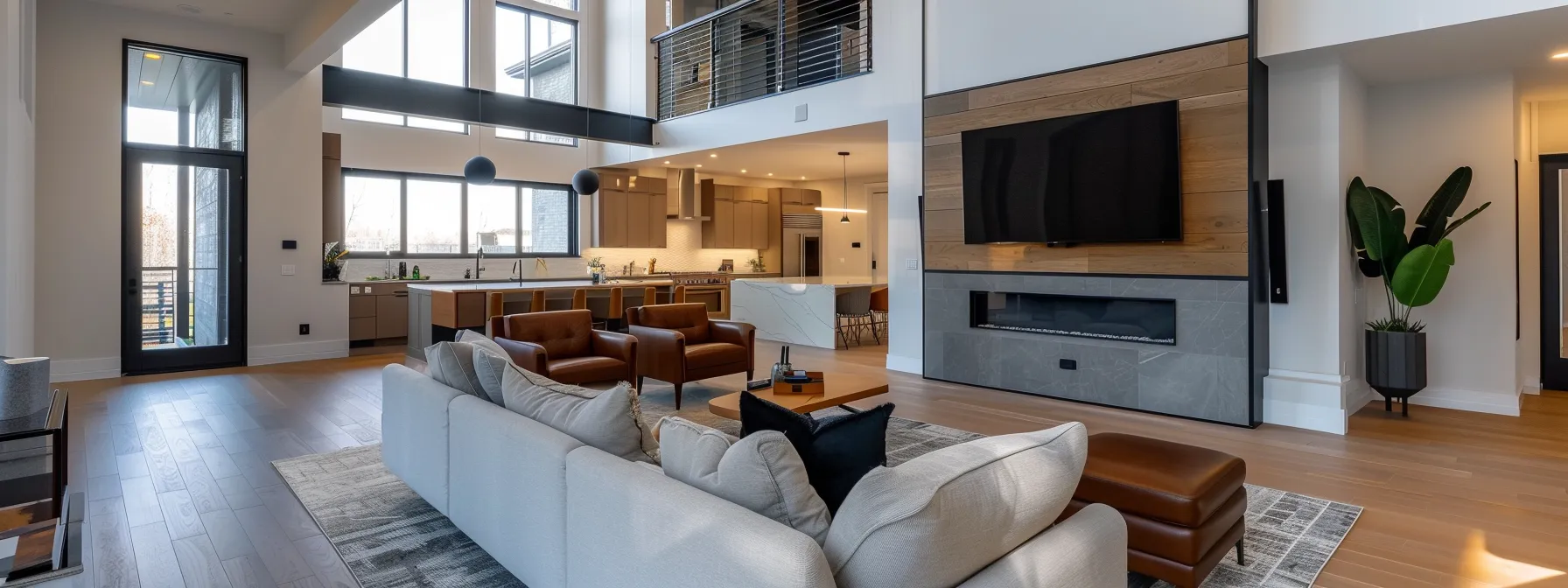
Social media marketing profoundly influences homebuyer decisions, making platforms like Facebook key assets for home builders. A strong Facebook presence fosters customer engagement while effectively aligning advertising strategies with brand objectives. This section will explore the unique benefits of utilizing Facebook for brand visibility, the significance of engaging content, and strategies to ensure coherence with a builder’s goals.
Social media platforms, especially Facebook, serve as significant resources for homebuyers in their decision-making process. The content shared on these platforms, from engaging videos to succinct headlines, helps shape perceptions and influence customer opinions. Builders who adeptly use Facebook can showcase their projects through carousel ads, allowing potential buyers to view multiple images of homes, enhancing their interest and connection to the brand.
Additionally, fostering exceptional customer service on Facebook can greatly impact how homebuilders are perceived by prospective buyers. Promptly responding to inquiries and providing valuable information can create a positive impression that influences purchasing decisions. By ensuring that their Facebook strategy aligns with these factors, builders can significantly boost their visibility and engagement with their audience:
A strong Facebook presence offers home builders a valuable platform for targeted advertising, enabling them to reach potential buyers effectively. By utilizing the robust advertising tools available on Facebook, builders can create campaigns tailored to specific demographics, ensuring their messages resonate with the right audience. This targeted approach not only enhances brand visibility but also optimizes marketing strategy, leading to higher engagement rates and conversion possibilities.
Moreover, running Facebook ads provides builders with measurable insights into their audience’s preferences and behaviors. This information can significantly improve their overall search engine optimization efforts, as builders can adapt their content based on real-time feedback. By understanding which posts generate the most interaction, home builders can refine their navigation of digital marketing, crafting content that speaks directly to the interests of their prospective clients.
Home builders must develop a well-defined Facebook marketing strategy that aligns with their overarching brand objectives. By clearly outlining goals, such as increasing brand awareness or generating leads, builders can create targeted Facebook campaigns that resonate with their audience. Utilizing tools like lookalike audiences allows builders to reach users similar to their existing customers, enhancing the effectiveness of their outreach efforts.
Additionally, leveraging the Facebook algorithm can significantly increase the visibility of posts that align with brand values and resonate with potential buyers. Consistent engagement through the Facebook business page will not only boost brand recognition but also foster a community around the brand, ultimately leading to increased trust and loyalty among prospective clients. By integrating these strategic elements, builders can ensure their Facebook efforts are not just effective but also drive meaningful results.
To harness Facebook’s power, a solid business page is essential. Here’s how to set one up for your home building company and make it stand out.
Setting up an effective Facebook business page is essential for home builders aiming to maximize brand visibility. This involves choosing the right page category and settings, crafting a compelling About section and description, and utilizing visual branding elements effectively. Each of these components plays a crucial role in enhancing targeted advertising campaigns through Facebook’s Ads Manager, gaining intelligence about customer engagement, and improving overall understanding of audience preferences, as illustrated in an infographic.
By focusing on these areas, builders can create a professional online presence that resonates with potential buyers and amplifies their marketing efforts.
Choosing the right page category on Facebook is crucial for enhancing brand awareness among home builders. By selecting the most relevant category, builders can effectively connect with their target consumer base. A well-defined page category helps potential customers find the business more easily, creating a pathway to a landing page that offers detailed information about the builder’s services, projects, and vision. This not only aids in building a strong database of interested leads but also establishes the company as a credible resource within the homebuilding industry.
In addition to selecting the appropriate category, adjusting the page settings optimizes the user experience. Customizing features such as call-to-action buttons and messaging options allows builders to engage potential customers directly. For instance, enabling instant messaging can provide immediate assistance to consumers, addressing their queries promptly and efficiently. This proactive approach fosters trust and encourages users to explore more about the brand, ultimately contributing to stronger customer relationships and increased visibility in the market.
Crafting an engaging About section and description is vital for home builders seeking to enhance their Facebook visibility. This space should highlight the builder’s innovations, services, and values, efficiently capturing potential clients’ attention. Incorporating relevant statistics about home building trends and successes can lend credibility and pique interest, helping viewers understand what sets this builder apart in the market.
Additionally, a well-structured description can facilitate conversation with new customers. Builders should encourage visitors to explore further by inviting them to check out their projects or to share their building aspirations. Including calls to action and integrating elements that align with targeted Facebook ads can drive engagement, creating opportunities for meaningful interactions that lead to conversion.
| Key Elements | Description |
|---|---|
| Innovation | Emphasize unique building practices or technologies used by the company. |
| Statistics | Incorporate relevant data to demonstrate success or market relevance. |
| Engagement | Use inviting language that encourages potential clients to initiate a conversation. |
| Facebook Ads | Align the content with targeted ad campaigns to increase visibility. |
Utilizing visual branding elements effectively is crucial for maximizing a home builder’s Facebook business page. High-quality images and videos are essential in showcasing properties, as they create a strong first impression and engage potential clients. By integrating visually appealing content, creators can enhance their lead generation efforts, encouraging users to learn more about the builder’s services and projects through the page’s description and posts.
Brand consistency in visuals, such as logos and color schemes, helps establish recognition and trust among potential buyers. Builders should aim to present their projects through professional visuals that resonate with their target audience. This strategic use of visual branding not only captures attention but also reinforces the overall brand message, ensuring the business page stands out in a competitive market.
A well-crafted Facebook page attracts attention. Now, it’s time to create content that brings your home building projects to life.
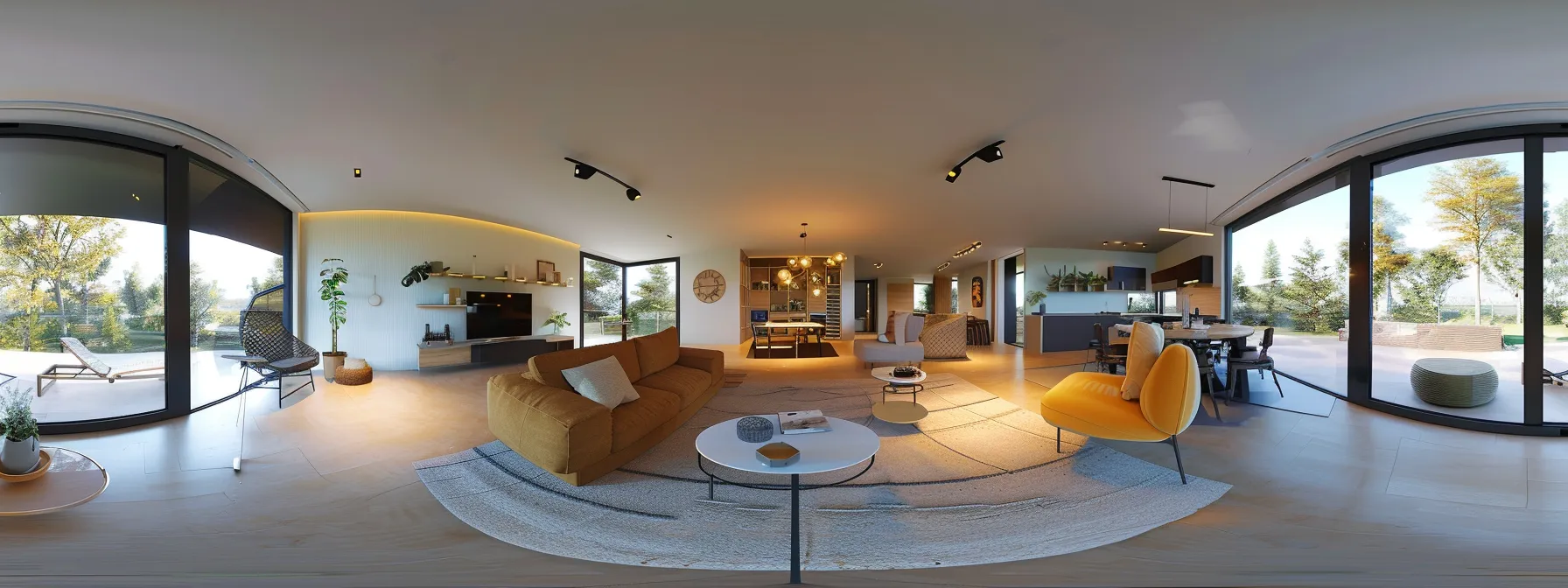
Sharing high-quality photos and virtual tours helps builders showcase their homes effectively, capturing the attention of prospective buyers. Highlighting unique design features and innovations enhances brand storytelling, while posting client testimonials and success stories provides social proof that builds trust. Additionally, offering valuable tips for homebuyers positions builders as experts in the field. These tactics work together within facebook marketing strategies, boosting return on investment through effective facebook ads, especially when utilized through the facebook ads manager.
Sharing high-quality photos and virtual tours on a home builder’s Facebook feed can significantly enhance brand visibility and engagement. Research indicates that visuals capture attention more effectively than text alone, making it vital for builders to invest in professional photography that showcases their projects. By consistently displaying stunning images and immersive virtual tours in their Facebook feed, builders can provide potential buyers with a clear understanding of what sets their homes apart, encouraging deeper interactions and inquiries.
Automation can streamline the process of posting content, allowing builders to maintain a steady flow of engaging visuals without overwhelming their resources. Implementing tips such as utilizing scheduling tools can free up time for builders to focus on other aspects of their business while ensuring their Facebook feed remains fresh and inviting. This combination of high-quality visuals and efficient posting practices not only builds interest but also strengthens a builder’s position as a trusted expert in the homebuilding market.
Highlighting unique design features and innovations in home building can significantly enhance customer experience on platforms like Facebook. By showcasing distinctive elements, such as energy-efficient technologies or custom architectural designs, builders can capture the attention of potential buyers. Outstanding visuals complemented by effective copywriting strategies will not only inform but also engage the audience, prompting them to explore further.
Sharing stories about the thought process behind specific innovations can establish authority and trust within the market. For instance, discussing how a new layout improves functionality while enhancing aesthetics can resonate with the behavior of buyers looking for practicality and style. As a valuable resource for homebuyers, builders should use Facebook to integrate these insights, positioning themselves as leaders in design and customer satisfaction.
Posting client testimonials and success stories on Facebook is an effective strategy that helps home builders connect with their target audience in a meaningful way. These authentic narratives build trust and showcase the positive experiences of previous clients, which can significantly enhance a builder’s reputation online. Leveraging this content marketing approach can result in higher engagement rates, as potential buyers are more likely to reach out when they see relatable stories that address their own needs or desires in home building.
Incorporating video ads featuring satisfied clients sharing their experiences adds a dynamic element to testimonials. These videos can vividly showcase the builder’s work, while also providing analytics insights into how engaged viewers are with the content. By understanding what resonates with their audience, builders can refine their marketing strategies, ultimately creating stronger connections with prospective customers and driving more inquiries.
| Story Element | Description |
|---|---|
| Client Background | A brief introduction to the client and their home-building goals. |
| Challenges Faced | Specific hurdles the client encountered during their home-building journey. |
| Builder’s Approach | How the builder addressed the client’s challenges with innovative solutions. |
| Outcome | The end result of the project and client satisfaction. |
Providing valuable tips for homebuyers is a powerful way for builders to establish their authority on social media, particularly on Facebook. By sharing insights on financing options, design trends, and maintenance advice, builders can create content that resonates with potential buyers. This educational approach not only positions builders as trusted resources but also encourages audience engagement, making it more likely for prospective clients to reach out for further assistance or consider running Facebook ads to promote specific projects.
Additionally, creating shareable content, such as videos or infographics, can enhance the visibility of these tips. When builders offer actionable advice, it significantly increases the chances of content being shared, exposing the brand to a broader audience. By integrating these practical insights into Facebook marketing strategies, builders can effectively connect with homebuyers, addressing their concerns and guiding them through the home buying process.
Creating engaging content helps home builders shine. Now, it’s time to explore how Facebook’s tools can widen your audience and make real connections.

Utilizing Facebook tools effectively can significantly enhance brand visibility for home builders. Building community through Facebook Groups fosters engagement, while hosting Live Q&A sessions and webinars establishes authority in the field. Implementing Facebook Events for open houses and workshops draws potential buyers, and encouraging user-generated content amplifies reach. Each of these strategies provides valuable insights for home builders looking to connect with their audience.
Utilizing Facebook Groups provides home builders with an effective opportunity to foster community engagement and build lasting relationships with potential clients. By creating a dedicated group focused on home buying and building, builders can engage directly with individuals seeking advice, sharing experiences, or expressing needs regarding their dream homes. This interactive space encourages open dialogue, enabling builders to address specific pain points and showcase their commitment to customer service.
To maximize engagement, builders should actively participate in discussions, share industry insights, and post valuable content. This approach not only emphasizes the builder’s expertise but also positions them as approachable resources within the community. Regularly hosting virtual events, such as Q&A sessions and design tips webinars, can further enhance visibility, attracting both potential buyers and referrals:
Hosting live Q&A sessions and webinars on Facebook allows home builders to interact directly with their audience, addressing questions and concerns in real-time. This approach not only fosters a sense of community but also positions builders as accessible experts in the home building industry. By sharing knowledge on topics such as financing options or construction processes, builders can create valuable content that resonates with potential buyers and builds trust in their brand.
Moreover, these events serve as an excellent opportunity for builders to showcase their projects and innovations. By integrating client testimonials and success stories during these sessions, builders can provide real-life examples of their work, further enhancing credibility. Encouraging attendees to ask questions and participate actively ensures a dynamic discussion, making the sessions more engaging and beneficial for home buyers seeking information and expertise.
Implementing Facebook Events for open houses and workshops provides home builders with a unique opportunity to connect directly with potential buyers. These events can effectively showcase new properties or building techniques, allowing builders to demonstrate their expertise and engage audience interest. Sharing detailed event information on Facebook can encourage attendance, driving traffic to the site, which ultimately enhances brand visibility in the competitive homebuilding landscape.
To maximize the success of these events, builders should include interactive elements, such as live tours or Q&A sessions, to address buyer queries in real-time. Promoting these events through targeted Facebook ads can reach a broader audience and generate leads. Structure the campaign by focusing on key aspects of the events, such as location details, unique property features, and scheduling, to encourage higher engagement and attendance:
Encouraging user-generated content (UGC) on Facebook can significantly enhance a home builder’s brand visibility. By prompting satisfied clients to share their experiences, builders can create authentic content that resonates with potential buyers. For example, creating a specific hashtag for homeowners to post their photos of newly built homes can increase engagement and extend the reach of the builder’s brand within the community.
Furthermore, promoting a sharing culture can drive interaction on Facebook. Builders can engage their audiences by hosting contests or giveaways that encourage clients to post and tag the builder, showcasing their unique homes. This not only cultivates a sense of community but also provides valuable social proof that can effectively influence prospective buyers’ decisions. Consider the following elements when implementing a user-generated content strategy:
| Strategy Element | Description |
|---|---|
| Hashtags | Create a unique hashtag for clients to share their home experiences. |
| Contests | Run contests encouraging clients to post photos in exchange for prizes. |
| Stories | Encourage clients to share their home-building journeys through stories. |
Facebook tools can engage your audience, but they can do more. Dive into how targeted advertising can amplify your reach and connect you with the right people.

Identifying and defining target audience segments is essential for home builders aiming to maximize their Facebook content’s effectiveness. Creating compelling ad campaigns with clear calls-to-action can drive engagement, while A/B testing ads ensures optimal performance. Additionally, retargeting interested prospects through custom audiences allows builders to strengthen connections and increase conversion rates. Each of these strategies plays a crucial role in enhancing brand visibility on Facebook.
Identifying and defining target audience segments is crucial for home builders looking to maximize their Facebook advertising effectiveness. By analyzing demographics such as age, location, income level, and home-buying interests, builders can create custom campaigns that resonate with specific buyer profiles. For example, targeting young families with ads showcasing spacious homes near schools can enhance engagement and drive inquiries.
Additionally, leveraging Facebook’s detailed analytics tools allows builders to refine their audience definition continually. This includes using insights from previous campaigns to understand which segments respond best to their content. By tailoring advertising strategies to align with the preferences and behaviors of defined audience groups, home builders can increase brand visibility and foster stronger connections with potential clients.
Creating compelling ad campaigns on Facebook requires a clear understanding of the target audience and the use of persuasive calls-to-action (CTAs). Home builders should focus on crafting messages that resonate with potential buyers’ needs, whether it’s promoting a new property listing or sharing a limited-time offer. For instance, phrases like “Schedule a Free Consultation Today” or “View Our Latest Homes Now” not only grab attention but also provide clear next steps for interested users, increasing the likelihood of engagement and inquiries.
Additionally, incorporating visually appealing images or videos alongside these CTAs can significantly enhance ad performance. Home builders can showcase high-quality photos of their construction projects to draw in viewers and prompt them to act. By consistently monitoring ad performance and making necessary adjustments based on engagement metrics, builders can refine their campaigns to ensure they are effectively driving traffic and attracting potential buyers, ultimately elevating brand visibility in a competitive market.
A/B testing ads is a crucial strategy for home builders aiming to enhance the performance of their Facebook advertising campaigns. By creating two variations of an ad with differing elements, such as images or calls-to-action, builders can determine which version drives higher engagement and leads. For instance, a builder might test a photo of a newly constructed home against an image of a happy family enjoying their new space, allowing them to gauge which resonates more effectively with potential buyers.
Retargeting interested prospects with custom audiences is a powerful strategy for home builders aiming to boost their brand visibility on Facebook. By utilizing Facebook’s advanced advertising tools, builders can create audiences based on users who previously engaged with their content, such as visiting their website or interacting with their ads. This targeted approach enables builders to reach potential clients who have already expressed interest, increasing the likelihood of conversion through tailored messaging that speaks directly to their needs.
For instance, a home builder can create a custom audience of users who viewed specific property listings but did not make an inquiry. By crafting ads that highlight additional features of those properties or showcase customer testimonials, builders can re-engage these prospects effectively. This method fosters a connection with potential buyers and reinforces brand presence, ultimately leading to higher conversion rates and a more efficient marketing budget.
You’ve set the stage with targeted advertising. Now, it’s time to watch the results and fine-tune your approach for even greater success.

Monitoring performance is crucial for home builders aiming to maximize their Facebook content for enhanced brand visibility. This includes tracking engagement metrics and analyzing insights data to gauge audience interaction. Adjusting content plans based on audience feedback, staying updated with Facebook algorithm changes, and planning for sustainable growth are essential strategies that contribute to ongoing brand visibility in the competitive homebuilding market.
Tracking engagement metrics on Facebook is crucial for home builders to understand how their content impacts brand visibility and audience interaction. By monitoring likes, shares, comments, and click-through rates, builders can assess which posts resonate most with their audience. For instance, if a specific style of visual content or topic generates higher engagement, builders can strategically create more similar posts, thereby enhancing their overall Facebook marketing effectiveness.
Analyzing insights data also empowers home builders to make informed decisions about their social media strategies. Utilizing Facebook’s built-in analytics tools allows builders to identify trends in audience behavior and preferences. By pinpointing the demographics of engaged users and the times they are most active online, builders can tailor their content and posting schedule to maximize reach and engagement. This data-driven approach not only refines marketing efforts but also contributes to building stronger relationships with potential clients.
Home builders can significantly enhance their Facebook marketing strategies by adjusting content plans based on audience feedback. By regularly reviewing engagement metrics such as likes, comments, and shares, builders can gain insights into what resonates with their target audience. For example, if posts featuring energy-efficient designs receive more interaction, builders should consider increasing content focused on sustainability to better align with potential buyers’ interests.
Moreover, soliciting direct feedback through polls and comments can provide valuable information about audience preferences. When builders actively respond to inquiries and tailor their content to meet the expressed desires of their audience, they foster a sense of community and trust. This proactive approach not only helps builders stay relevant in a competitive landscape but also ensures their messaging remains effective and engaging for prospective clients, ultimately enhancing brand visibility on Facebook.
Staying updated with Facebook algorithm changes is essential for home builders aiming to maximize their content visibility. The platform is constantly evolving, and understanding these changes can significantly impact how a builder’s posts are prioritized in user feeds. For instance, recent shifts have emphasized meaningful engagements over sheer likes, meaning that builders should focus on crafting content that encourages genuine interactions, such as comments and shares.
Regularly following Facebook’s updates and utilizing resources like industry blogs or webinars can help builders adapt their strategies accordingly. By remaining informed about algorithm alterations, builders can refine their content strategies, ensuring that their posts maintain relevance and visibility. This proactive approach not only enhances brand presence but also fosters stronger connections with potential clients in the competitive home building market.
To achieve sustainable growth and ongoing visibility, home builders must prioritize an adaptive Facebook strategy that evolves with market trends. By consistently analyzing performance metrics, builders can identify which types of content resonate most with their audience, allowing them to refine their messaging over time. For instance, if video tours of homes receive higher engagement than static images, focusing on more dynamic content can effectively attract potential buyers and strengthen brand presence.
Building an engaged community on Facebook also plays a crucial role in sustaining visibility. Home builders can foster this connection by sharing valuable insights and responding promptly to inquiries. Engaging with followers through live Q&A sessions or industry-related discussions not only encourages loyalty but also positions the builder as an approachable expert. This strategy enhances brand visibility, facilitating a supportive environment where potential buyers feel encouraged to reach out and engage further.
Maximizing Facebook content is essential for enhancing brand visibility among home builders. By engaging effectively with potential buyers through high-quality visuals, compelling storytelling, and tailored advertising strategies, builders can significantly influence customer perceptions and decisions. Implementing interactive tools like Facebook Groups and Live Q&A sessions fosters community connections, positioning builders as trusted experts in the market. Ultimately, a robust Facebook strategy not only drives inquiries but also cultivates lasting relationships, solidifying a builder’s presence in a competitive landscape.
Are you struggling to make your mark on Instagram as a home builder? With over a billion active users, Instagram is a powerful platform that can elevate your brand and increase engagement within your community. This blog post will reveal essential tips for mastering Instagram marketing, focusing on creating a strong business profile and developing engaging content strategies. By enhancing your social media marketing knowledge, you’ll learn how to position yourself as a thought leader in the home building industry, addressing common challenges and maximizing your visibility on platforms like Houzz.

Instagram plays a significant role in the home building industry by effectively showcasing craftsmanship. Builders can connect with a visual audience eager for inspiration, allowing them to leverage customer service through engaging content. Furthermore, Instagram serves as a platform for recognizing emerging trends in home design, providing valuable insights to enhance email marketing and build testimonials that attract potential clients.
Instagram provides home builders with a unique platform to showcase their craftsmanship effectively. Through high-quality images and videos, builders can illustrate their design skills and completed projects, which helps increase visibility among potential clients. Implementing a strong marketing strategy on this social media platform can enhance the builder’s brand image and foster a connection with followers, thereby driving customer engagement.
Using targeted advertising on Instagram allows home builders to reach specific demographics that align with their services. By integrating eye-catching web design in their posts and stories, builders can enhance user experience and attract more interest. Furthermore, focusing on search engine optimization within captions and hashtags can lead to higher discoverability of their profiles and projects, ultimately converting followers into clients.
| Key Element | Description |
|---|---|
| Showcase Craftsmanship | Utilizing images and videos to highlight completed projects and design skills. |
| Marketing Strategy | Developing effective content plans that resonate with audience interests. |
| Targeted Advertising | Focusing ads on specific demographics that fit the builder’s services. |
| Web Design | Creating aesthetically pleasing and user-friendly visuals to attract potential clients. |
| Search Engine Optimization | Incorporating relevant keywords and hashtags to boost discoverability. |
Home builders can effectively connect with a visual audience seeking inspiration by leveraging Instagram’s highly engaging media capabilities. By crafting an advertising campaign that showcases stunning images of completed projects, builders can attract customers who desire innovative home design ideas. The Instagram algorithm works in favor of visually appealing content, making it essential for builders to present their craftsmanship in a way that resonates with potential clients and prompts them to interact with the posts.
Integrating engaging captions and relevant hashtags in posts enhances discoverability and evokes interest. Home builder marketing on Instagram benefits from understanding the audience’s preferences, which can be gauged through insights offered by the platform. Actively responding to comments and encouraging user-generated content further fosters a sense of community and strengthens relationships with potential customers.
| Strategy | Description |
|---|---|
| Engaging Media | Utilizing visually appealing images to capture audience interest. |
| Advertising Campaign | Creating targeted campaigns to showcase design ideas. |
| Understanding the Algorithm | Leveraging the algorithm for increased visibility of engaging content. |
| Community Engagement | Responding to comments and encouraging audience interaction. |
| Audience Insights | Utilizing platform insights to tailor content to audience preferences. |
Instagram serves as a valuable resource for home builders to recognize and adapt to emerging trends in home design. By monitoring popular posts, builders can gather statistics on what styles and features consumers are gravitating toward, ultimately enhancing brand awareness. This proactive approach allows builders to align their projects with current preferences, improving their reputation and credibility within the industry.
Engagement on Instagram not only showcases a builder’s work but also helps in understanding consumer behavior in real-time. As builders share and interact with trend-driven content, they can analyze which designs resonate most with their audience. This insight is crucial for refining marketing strategies and establishing a brand identity that meets the evolving needs of potential clients, setting the stage for long-term success.
Instagram shapes the way home builders connect with their audience. Next, learn how to craft an Instagram business profile that stands out and attracts clients.
Creating a powerful Instagram business profile is essential for home builders seeking to boost engagement. This involves crafting a bio that effectively reflects brand identity, choosing a standout profile picture, and adding contact information for easy client reach. Utilizing Instagram business tools enhances lead generation and conversation, while integrating valuable backlinks can elevate content creation strategies. Each of these elements will be explored in detail to maximize visibility and foster connections.
Crafting a bio that accurately reflects a home builder’s brand identity is crucial for creating a strong presence on Instagram. The bio should succinctly convey the builder’s core values, unique selling points, and touch on areas of special expertise. Incorporating keywords related to online advertising can improve search engine visibility, helping potential clients find the builder’s profile more easily during their research phase.
In addition to incorporating relevant keywords, the bio should include essential contact information, like an email address, to facilitate direct communication with interested clients. An effective strategy is to invite visitors to subscribe to a newsletter that delivers updates on new projects, design trends, and promotional offers. This approach fosters engagement and builds a community around the brand, aligning perfectly with the goals of mastering Instagram marketing for home builders.
Choosing a profile picture that stands out is crucial for attracting a builder’s target audience on Instagram. This visual representation should ideally reflect the essence of the brand while remaining professional. For instance, using a logo or a high-quality image showcasing completed projects can immediately communicate the builder’s expertise and commitment to quality. Effective use of analytics can help determine which images resonate best with followers, allowing for continuous improvement in content marketing strategies.
Additionally, the right profile picture can play a significant role in influencer marketing efforts. A compelling image invites potential collaborators and clients to engage with the brand. By capturing consumer behavior through feedback and engagement metrics, builders can refine their approach, ensuring that their profile picture effectively draws in their desired audience. Prioritizing a recognizable and professional image ultimately lays the groundwork for successful connections and increased engagement on social media.
Adding contact information to an Instagram business profile is critical for home builders seeking to engage potential clients effectively. By including a phone number or an email address, builders make it simple for interested customers to reach out with inquiries or requests for quotes. This accessibility fosters trust and demonstrates a commitment to customer service, making it easier for users to convert from followers to clients in the competitive landscape of social media.
Incorporating clear contact options not only improves communication but also enhances the overall user experience. Builders can leverage Instagram’s features by utilizing the “Contact” button, which provides users with direct access to messaging or calling. This streamlined approach reduces barriers between builders and their audience, enabling quicker responses to inquiries that can lead to potential projects, ultimately boosting engagement and promoting business growth.
Utilizing Instagram business tools offers home builders significant advantages in enhancing their marketing efforts. These tools provide insights about audience engagement, helping builders understand which posts resonate most effectively with their followers. For instance, Instagram Insights can show metrics on reach and interactions, allowing builders to refine their content strategy, ensuring that they cater to the preferences of potential clients.
Additionally, features like Instagram Stories and Highlights can bolster a builder’s online presence. By sharing project updates, behind-the-scenes content, or client testimonials, builders can create a dynamic portfolio that attracts attention. Through the use of these business tools, home builders can not only showcase their craftsmanship but also foster meaningful connections with their audience, which is essential for driving engagement and converting followers into clients.
Now that your Instagram business profile stands ready, it’s time to capture attention. Engaging content will draw your audience in and keep them coming back for more.

Home builders can enhance their Instagram presence by developing engaging content strategies that resonate with their audience. Showcasing completed projects with high-quality images captures attention, while sharing behind-the-scenes moments builds trust with potential clients. Highlighting client testimonials and success stories adds credibility, and utilizing stories and reels increases engagement. Each of these tactics is crucial for fostering connections and driving interaction on the platform.
Showcasing completed projects with high-quality images is a fundamental strategy for home builders looking to enhance their Instagram marketing efforts. These images not only highlight the craftsmanship and design elements but also help in establishing the builder’s brand as a reliable expert in the industry. By using professional photography that captures the essence of each project, builders can attract the attention of potential clients who are searching for inspiration and innovative design ideas.
In addition to showcasing exquisite work, builders can benefit from implementing consistent visual themes that align with their overall brand identity. Posting a series of images that focus on different aspects of each project – like interior details, exterior views, and landscaping – provides a comprehensive look at the builder’s capabilities. This approach not only keeps the audience engaged but also encourages them to envision the builder’s work in their own future homes, ultimately driving higher engagement and interest from prospective clients.
Sharing behind-the-scenes moments is a powerful strategy for home builders looking to build trust with their audience on Instagram. By showcasing the daily operations, project updates, and the people behind the builds, builders can provide insight into their craftsmanship and processes. This transparency not only humanizes the brand but also establishes credibility, which is essential for attracting potential clients who seek reliability in their choice of builder.
For instance, posting images or videos of team meetings, material selections, or construction milestones can give followers a glimpse into the builder’s commitment to quality and detail. Engaging with the audience in this way fosters a sense of community, encouraging followers to feel more connected to the builder’s brand. This relatable approach helps potential clients perceive the builder as approachable and trustworthy, addressing their concerns about the building process and increasing the likelihood of converting followers into clients.
Highlighting client testimonials and success stories on Instagram is an effective way for home builders to build credibility and trust with their audience. By sharing positive experiences from past clients, builders can showcase their craftsmanship, customer service, and ability to deliver on promises. This not only enhances the builder’s reputation but also resonates with potential clients who are looking for assurance in their decision-making process.
Incorporating visual elements alongside testimonials can significantly enhance their impact. For instance, posting images of completed projects alongside quotes from satisfied clients allows home builders to create a powerful narrative. This approach not only engages viewers but also provides authentic examples of the builder’s work, making it easier for prospective clients to envision their own projects. By regularly sharing such content, builders can foster a strong sense of community and encourage followers to become part of their success stories.
Utilizing Instagram Stories and Reels can significantly enhance engagement for home builders by providing dynamic and visually appealing content. These features allow builders to share quick updates, project highlights, and behind-the-scenes glimpses in an engaging format that captures the audience’s attention. By incorporating storytelling elements, builders not only showcase their work but also connect emotionally with potential clients, making it easier for them to envision the building process.
Additionally, builders can leverage interactive elements within Stories, such as polls and questions, to encourage audience participation and gather valuable feedback. Creating quick, informative Reels that highlight unique design aspects or construction techniques can also attract attention and drive discussions among followers. This strategy not only keeps the audience engaged but also strengthens the builder’s brand visibility in a competitive market, addressing the need for innovative content marketing approaches.
Creating engaging content is just the start. To reach a wider audience, understanding how to use hashtags and geotags is essential.

Researching popular and niche-specific hashtags is essential for home builders to increase visibility on Instagram. Creating a unique branded hashtag helps establish a recognizable identity, while implementing geotags can attract local clients seeking services in their area. Monitoring hashtag performance allows builders to optimize their strategy effectively, ensuring engagement metrics align with marketing goals.
Researching popular and niche-specific hashtags is vital for home builders looking to enhance their visibility on Instagram. By identifying trending hashtags within the home building industry, builders can connect with a broader audience that is actively searching for content relevant to their projects. Using tools like Instagram’s search function or specialized hashtag research apps can help discover both high-volume and niche hashtags that align with specific offerings, effectively driving more ideal clients to their profiles.
In addition to mainstream hashtags, home builders should focus on niche-specific tags that reflect their unique specialties, such as sustainable building practices or luxury home designs. For example, using hashtags like #EcoFriendlyConstruction or #LuxuryHomes can attract clients interested in those particular services. By strategically mixing widely-used hashtags with niche tags, builders can optimize their posts for discoverability, increase engagement, and ultimately convert followers into customers.
Creating a unique branded hashtag is a strategic move for home builders aiming to enhance their Instagram marketing. This custom hashtag enables builders to establish a recognizable identity, making it easier for potential clients to find their content. For example, a builder could use a hashtag like #QualityBy[BuilderName] to encourage clients to share their experiences and showcase completed projects, creating a community around the brand and fostering engagement.
In addition to boosting brand visibility, a unique hashtag can streamline content organization for builders. By using this hashtag consistently in every post, builders can easily track user interactions and engagement metrics over time. This practice not only facilitates building a loyal following but also helps in monitoring the effectiveness of marketing efforts on Instagram, ultimately guiding future strategies to better connect with their audience.
Implementing geotags is an effective strategy for home builders to attract local clients on Instagram. By adding location tags to posts, builders can increase their visibility among potential customers searching for services in specific geographic areas. This practice not only connects builders with the local community but also positions them as accessible options during the decision-making process for homeowners looking for reliable construction partners.
When builders use geotags, they can improve engagement by appearing in location-based searches and posts, driving local traffic to their profiles. Builders should consider tagging the sites of completed projects or their business location to target users nearby. This targeted approach helps in establishing a solid local presence, which is essential for building trust and rapport with prospective clients in the area:
| Geotag Strategy | Description |
|---|---|
| Increase Local Visibility | Using location tags to connect with potential customers in specific areas. |
| Tagging Completed Projects | Adding geotags to project sites to enhance discoverability. |
| Targeting Local Audiences | Engaging nearby users to promote accessibility and trust. |
Monitoring hashtag performance is essential for home builders aiming to enhance their Instagram marketing strategy. By tracking which hashtags generate the most engagement, builders can identify trends and adjust their content to better align with their audience’s interests. This proactive approach helps in optimizing future posts, ensuring that the hashtags used resonate with potential clients and increase visibility.
Utilizing Instagram Insights allows builders to analyze the effectiveness of their hashtags and make data-driven decisions. For example, when builders notice that specific hashtags yield higher reach or engagement rates, they can incorporate similar tags into their upcoming content. This continuous assessment not only boosts overall content strategy but also positions home builders as responsive and aware of their audience’s preferences, ultimately driving more interaction and fostering connections.
Hashtags and geotags can draw eyes to your posts, but real connection comes from community. Building and nurturing your Instagram community will turn those fleeting glances into lasting relationships.

Engaging with followers through comments and messages fosters a sense of community for home builders on Instagram. Encouraging user-generated content and collaborations enhances brand visibility, while hosting interactive events like Q&As or polls promotes direct interaction. Partnering with influencers in the home design space further amplifies reach and credibility. Each of these strategies plays a crucial role in building a loyal audience.
Engaging with followers through comments and messages is vital for home builders aiming to cultivate a strong community on Instagram. Responding promptly to comments demonstrates attentiveness and builds trust among potential clients. Home builders can enhance their reputation by acknowledging feedback or inquiries, ensuring that the conversation feels personal and relatable, which can significantly encourage followers to convert into clients.
Additionally, using direct messages to follow up on interactions can create a more intimate connection with followers. For example, builders can reach out to users who previously commented on their posts, asking if they have any questions or need advice on specific projects. This personalized approach not only fosters loyalty but also positions the builder as a helpful resource within the home building process, addressing common concerns and enhancing overall engagement.
Encouraging user-generated content is an effective strategy for home builders to enhance engagement on Instagram. By inviting clients to share their experiences and photos of completed projects, builders can foster a sense of community and strengthen brand loyalty. For example, running a contest where clients post images using a specific hashtag helps in collecting valuable content while showcasing real-life applications of the builder’s work.
Collaborations with local influencers or designers can further expand a builder’s reach on Instagram. By partnering for joint projects or co-hosted events, builders can tap into new audiences while enhancing their credibility in the home building community. This strategy not only increases visibility but also positions the builder as a trusted authority, addressing potential clients’ needs for reliability and expertise in their projects:
| Strategy | Description |
|---|---|
| User-Generated Content | Inviting clients to share photos of completed projects improves community engagement. |
| Influencer Collaborations | Partnering with local influencers expands reach and builds credibility. |
Hosting interactive events like Q&As or polls on Instagram can significantly enhance engagement for home builders. These events provide a platform for builders to connect directly with their audience, addressing common questions about the home building process and gathering valuable feedback on design preferences. For example, conducting a live Q&A session allows potential clients to engage in real time, fostering a sense of community and positioning the builder as an accessible expert in the industry.
Additionally, polls can be effectively utilized to gauge audience interests and preferences. By asking followers to vote on design choices, material selections, or project features, builders can make informed decisions while simultaneously increasing interaction on their posts. This strategy not only encourages participation but also sparks conversations among followers, creating a dynamic environment that draws in potential clients eager to engage with the brand:
| Interactive Event | Description |
|---|---|
| Q&A Session | Live session for builders to answer audience questions about home building. |
| Polls | Engaging followers to vote on design choices and project features. |
Partnering with influencers in the home design space offers valuable opportunities for home builders to expand their reach and engage with potential clients. These influencers often possess established followings and can showcase a builder’s projects to a targeted audience, significantly increasing visibility. For instance, collaborating with an interior designer or home improvement influencer can attract clients who are specifically interested in unique design solutions, thereby elevating the builder’s credibility in the market.
Influencer partnerships can take various forms, such as co-hosting events, creating joint social media campaigns, or sharing tutorials that highlight the builder’s craftsmanship. Such collaborations not only enhance the builder’s brand image but also create authentic connections with potential customers. By showcasing real-life applications of their work through influencer content, builders can demonstrate their value and expertise, ultimately converting followers into engaged clients:
| Influencer Partnership Type | Description |
|---|---|
| Co-hosting Events | Partnering for activities that showcase products and services to a broader audience. |
| Social Media Campaigns | Creating joined promotions to highlight the builder’s projects. |
| Tutorials and Tips | Sharing content that focuses on design inspiration and building techniques. |
Building a strong community is just the beginning. Next, it’s time to look closely at your results and refine your marketing strategy for even greater success.

Tracking engagement metrics using Instagram Insights is essential for home builders to understand how their content performs. Adapting content based on audience preferences can lead to more meaningful interactions. Testing different posting times and formats helps optimize reach, while leveraging Instagram Ads for targeted marketing ensures builders connect with the right potential clients. These strategies collectively enhance overall marketing effectiveness.
Tracking engagement metrics with Instagram Insights is crucial for home builders aiming to refine their marketing strategies. By examining data such as likes, comments, shares, and follower growth, builders can gauge which content resonates best with their audience. For instance, if a specific style of project gets more engagement, it indicates a preference that can guide future content creation.
Additionally, using Instagram Insights allows builders to assess their posting times and frequency. Analyzing when their audience is most active can lead to increased visibility and interaction. By adjusting their posting schedule based on this data, builders can enhance engagement, ensuring their projects reach potential clients at the right moment.
Adapting content based on audience preferences is vital for home builders striving to increase their engagement on Instagram. By analyzing data from Instagram Insights, builders can identify which types of posts resonate most with their followers, allowing them to tailor their content strategy accordingly. For example, if followers engage more with videos showcasing project walkthroughs rather than standard images, focusing on this format can effectively capture and maintain attention.
Additionally, responding to feedback from followers helps home builders refine their content further and address their audience’s specific interests or concerns. By incorporating polls or asking questions in stories, builders can gain valuable insights directly from their community. This proactive approach not only fosters a sense of connection but also ensures that the content remains relevant and appealing, ultimately leading to greater engagement and a stronger online presence.
Home builders can significantly enhance their Instagram engagement by testing different posting times and formats. Conducting experiments with various times for sharing content allows builders to identify when their audience is most active. For instance, a builder may notice that posts made in the early evening receive more interactions compared to those shared in the morning. By aligning their posting schedule with audience behavior, builders can maximize visibility and interactions, leading to better engagement and potential client conversions.
In addition to timing, varying content formats is crucial to keeping the audience interested. Builders should experiment with images, videos, and Instagram Stories to determine which formats garner the most engagement. For example, a home builder showcasing a project walkthrough video might receive more responses than a simple image post. By analyzing the performance of these different formats, builders can create a tailored content strategy that resonates with their audience, ultimately fostering deeper connections and encouraging ongoing interactions on the platform.
Leveraging Instagram Ads offers home builders a powerful tool for reaching specific target markets. By utilizing demographic targeting, builders can create campaigns that focus on potential clients based on interests, location, and behaviors. For example, a builder specializing in eco-friendly homes can target users interested in sustainable living, positioning their projects in front of an audience likely to convert into clients.
The effectiveness of Instagram Ads can be enhanced by closely monitoring performance metrics such as click-through rates and conversions. By analyzing these metrics, home builders can adjust their ad content and targeting strategies to improve engagement. This data-driven approach ensures that marketing dollars are spent wisely, resulting in higher visibility and ultimately driving prospective clients to their projects.
Mastering Instagram marketing is crucial for home builders seeking to enhance their engagement and connect with potential clients. By showcasing craftsmanship through high-quality visuals, employing effective content strategies, and utilizing targeted advertising, builders can significantly increase visibility in a competitive market. Engaging with followers and leveraging community interaction fosters trust and credibility, essential for converting interest into projects. Embracing these strategies positions builders for long-term success and growth in the ever-evolving housing industry.