Is your home builder website struggling to stand out on Google? With an effective online presence, you can improve your site’s visibility and attract more customers. In this article, we will share essential tips to optimize your site for mobile users, implement effective keyword research, and enhance your content quality. By focusing on these strategies, you’ll tackle common issues like low page rank and poor accessibility, ultimately boosting customer service and usability. Engage with these insights to elevate your home builder site and drive more visitors to your business.

Optimizing a home builder site for mobile users is essential for enhancing engagement. Ensuring that the website is mobile-friendly across all devices will help retain visitors and improve user experience. Additionally, optimizing site speed will further enhance mobile usability. This subsection will explore both strategies, demonstrating how they contribute to better engagement and visibility on platforms like Microsoft Bing and through social media marketing.
To ensure a website is mobile-friendly across all devices, home builders should utilize a reliable website builder that offers responsive design features. This allows the site to automatically adjust its layout for various screen sizes, enhancing user experience and retaining visitors. Additionally, incorporating straightforward navigation will enable users to access key information effortlessly, which is crucial for both engagement and brand perception.
Another important aspect is the use of the alt attribute for images, as it improves accessibility and helps search engines understand the content. Including clear hyperlinks to relevant projects or resources also guides users through the website seamlessly. Focusing on these elements creates a smooth mobile experience that can significantly boost engagement and visibility on search platforms like Google:
| Optimization Strategy | Benefits |
|---|---|
| Responsive Design | Automatically adjusts to different devices, improving user experience |
| Straightforward Navigation | Enhances accessibility to information and keeps visitors engaged |
| Alt Attribute for Images | Improves SEO and accessibility, making the site more search-friendly |
| Clear Hyperlinks | Guides users to relevant content, increasing time spent on site |
Improving site speed is crucial for enhancing mobile user experience, as slower load times can lead to a higher bounce rate. When a website takes too long to display, potential clients may lose interest and navigate away, negatively impacting engagement rates. To address this, home builders should focus on optimization techniques such as compressing images and minimizing the use of heavy scripts, which can significantly improve load times. Ensuring that the website loads quickly keeps visitors’ attention, allowing them to browse available projects and services without frustration.
Additionally, speed impacts overall readability, which is essential for maintaining user interest. A well-optimized site not only reduces bounce rates but also encourages users to explore different sections of the site, increasing the time spent on pages. Implementing strategies such as asynchronous loading and utilizing browser caching can enhance performance, providing a smoother experience. By prioritizing site speed, home builders can increase engagement and improve their chances of converting visitors through effective email marketing campaigns and other outreach efforts.
Mobile users are searching for homes with purpose. To reach them, smart keyword research is essential for higher visibility.

Identifying high-value keywords relevant to home building is crucial for enhancing visibility through effective marketing strategies. Home builders must integrate these keywords naturally into their website content to support search engine optimization (SEO) efforts and improve search engine marketing performance. The following sections will cover how to select the right keywords and implement them effectively to optimize web design and boost overall site visibility.
Identifying high-value keywords relevant to home building is essential for enhancing online visibility. Home builders must conduct thorough keyword research to understand what terms their target market is using during searches. This involves analyzing search trends and considering how keywords can align with advertising campaigns and referral marketing strategies. By focusing on keywords that relate to their services and audience needs, builders can craft content that resonates and drives traffic.
Once the keywords have been identified, integrating them into website content, blogs, and promotional materials ensures better alignment with search engine algorithms. High-quality, relevant keywords not only improve SEO but also create pathways for effective link building, helping to establish the site’s authority in the home building industry. This intentional approach leads to higher engagement and conversion rates, allowing builders to effectively reach their market.
Integrating keywords into website content requires a strategic approach that prioritizes both relevance and readability. Home builders should focus on utilizing keyword research to identify terms that resonate with their target customers. By seamlessly weaving keywords, such as “home builder marketing,” into the content, businesses can enhance their search engine optimization (SEO) efforts. This helps ensure that landing pages effectively attract searchers who are interested in home-building services.
Additionally, employing anchor text is critical for strengthening the connection between related content. Utilizing descriptive, keyword-rich anchor text allows visitors to navigate the site easily and boosts the overall SEO strategy. To maximize effectiveness, home builders should maintain a natural flow in their writing, ensuring that the keywords enhance the content rather than detract from it, ultimately improving user experience and engagement:
Finding the right keywords is just the beginning. To truly draw in visitors, the quality of your content must shine through.
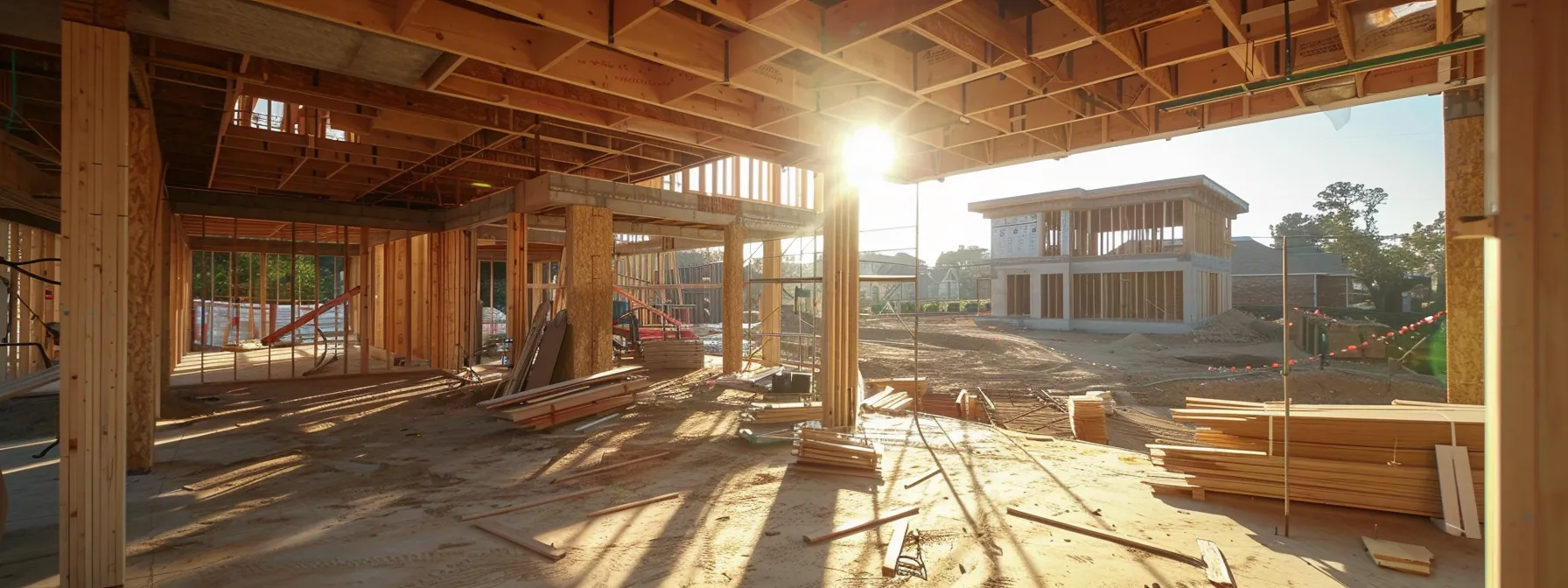
Creating informative blog posts on home building topics enhances brand awareness and credibility among potential consumers. Engaging visuals, including images and videos, add relevance to the content, making it more appealing. This section will explore how effective written content and visuals can attract more visitors to a home builder site, leading to improved engagement and conversion rates.
Creating informative blog posts on home building topics is an effective strategy for enhancing a builder’s reputation and engaging users. High-quality content not only positions builders as industry experts but also provides valuable information that potential clients seek. For instance, detailed articles explaining the construction process or offering tips for selecting materials can help users make informed decisions and encourage them to visit the site regularly.
Additionally, incorporating relevant keywords in the blog posts, such as “description” and “content creation,” improves the site’s visibility on search engines like Google. Implementing sitemaps further aids search engines in indexing this content effectively, ensuring that users find the articles easily. By focusing on user needs and providing practical insights, home builders can enhance their online presence and facilitate meaningful connections with their audience.
Incorporating engaging visuals, such as high-quality images and videos, significantly enhances user experience on a home builder’s web page. These elements not only attract visitors, but they also keep them on the site longer, which can positively impact lead generation. For example, showcasing completed projects through a video tour can visually illustrate a builder’s expertise, creating a connection with potential clients seeking quality workmanship.
Moreover, using visuals can aid in building authority and improving search engine rankings. By creating visually rich content that includes informative graphics and multimedia elements, builders can encourage backlinks from other sites, which boosts their online presence. This strategy not only enhances user engagement but also establishes the builder as a trusted resource in the home building industry.
Quality content draws visitors in, but it takes more than words to stand out. Building strong backlinks is the next step to strengthen your site’s authority and reach even more readers.

Building high-quality backlinks is fundamental for elevating a home builder’s site on Google. Partnering with industry websites for guest posting opportunities not only improves visibility but also enhances credibility. Additionally, encouraging satisfied clients to leave positive reviews contributes significantly to online reputation and return on investment. The following sections will delve into these strategies, providing practical insights on optimizing SEO through effective keyword use while avoiding keyword stuffing.
Partnering with industry websites for guest posting opportunities can significantly enhance a home builder’s online visibility. By collaborating with established platforms, builders can share their expertise while also gaining valuable backlinks that improve their site’s authority. Conducting thorough research on potential partner websites and analyzing their domain authority through competitor analysis helps identify the best channels for content delivery. These strategies contribute to more effective online marketing efforts and improved rankings in organic search results.
In addition to boosting SEO, guest posts allow home builders to showcase their knowledge and services to a broader audience. For instance, they can incorporate elements like breadcrumb navigation into their posts to enhance user experience, making it easier for readers to navigate through the content. By consistently sharing valuable insights and relevant information, builders not only drive traffic back to their own sites but also establish themselves as trusted resources in the home building industry.
| Strategy | Description |
|---|---|
| Guest Posting | Enhances visibility and authority through backlinks. |
| Research | Identifies potential partnerships and improves targeting. |
| Competitor Analysis | Evaluates successful strategies of other builders. |
| Content Delivery Network | Supports faster loading times for enhanced user experience. |
| Breadcrumb Navigation | Improves site navigation and usability for visitors. |
Encouraging satisfied clients to leave positive reviews is a powerful strategy for enhancing a home builder’s online presence and boosting web traffic. Positive reviews not only reflect customer experience but also influence potential buyers’ behavior, helping to establish trust and credibility. Builders can facilitate this process by following up with clients after project completion and making it easy for them to share their feedback on platforms where the target audience is active, such as Google My Business or social media.
Additionally, showcasing these positive reviews on the home builder’s website can significantly improve domain authority. When potential clients see testimonials that highlight successful projects and satisfied customers, they are more likely to consider the builder for their own needs. This approach not only strengthens the builder’s reputation but also enhances overall customer experience, leading to higher engagement and conversion rates in the competitive home building market.
Building high-quality backlinks strengthens your online presence, but true success lies closer to home. Local SEO strategies will help you connect with customers in your community and bring your business to life.

Claiming and optimizing a Google My Business listing is crucial for enhancing visibility in local search results. Additionally, incorporating local keywords and creating dedicated location pages on the website not only improves analytics but also enhances user experience design. The upcoming sections will provide practical insights on these strategies, discussing their significance in effective content marketing and influencer marketing for home builders.
Claiming and optimizing a Google My Business listing is a crucial step for home builders aiming to enhance visibility on the world wide web. This free and easy-to-use tool allows builders to manage their presence across Google, including search results and maps. By providing accurate information – such as business hours, location, and services – builders can improve local search rankings, connecting with potential clients in their area more effectively.
In addition to claiming the listing, ongoing optimization is key. Home builders should incorporate engaging visuals, such as high-quality thumbnails of completed projects, into their Google My Business profile to attract attention. Regularly updating posts and responding to reviews fosters engagement and builds trust, while utilizing insights from the listing can also guide marketing strategies. Employing such tactics will significantly enhance a builder’s online presence and draw more local customers:
Including local keywords throughout a home builder’s website is essential for improving local search visibility. By incorporating terms such as “custom homes in [City Name]” or “builders near [Neighborhood Name],” home builders can target potential customers specifically searching for services in their area. This strategic use of localized terminology not only enhances search engine rankings but also aligns the content with the queries of local clients, increasing the likelihood of engagement.
Creating dedicated location pages is another effective tactic for boosting local SEO. These pages can showcase specific services, past projects, and testimonials relevant to particular areas, providing potential clients with tailored information. For example, a builder operating in multiple regions should develop separate pages for each location, ensuring that relevant keywords and content address the unique needs of those communities. This approach helps home builders establish a stronger online presence, making it easier for local customers to find and connect with them.
Local SEO gets customers in the door, but keeping them is another battle. Improving user experience can turn a first visit into a lasting relationship.

Improving user experience is vital for increasing site retention on a home builder’s website. Simplifying navigation through clear menus and site structure allows visitors to find essential information easily. Additionally, implementing responsive design ensures better accessibility across devices. These strategies will be explored in detail to highlight their importance in creating a user-friendly environment that keeps visitors engaged.
Simplifying navigation through clear menus and well-structured site organization is critical for improving user experience on home builder websites. When visitors can easily locate essential information, such as services, project galleries, and contact details, they are more likely to stay on the site longer. A straightforward menu layout, with intuitive categories and subcategories, reduces frustration and enhances overall engagement, allowing builders to showcase their expertise effectively.
For instance, arranging content into specific sections like “New Home Builds,” “Remodeling Services,” and “Client Testimonials” not only directs users but also aids search engines in understanding the site’s structure. Home builders should prioritize a mobile-responsive design that maintains clarity in navigation across all devices. By focusing on these elements, builders can significantly increase site retention rates and enhance their online visibility on platforms like Google.
Implementing responsive design is essential for enhancing accessibility on a home builder’s website. This approach ensures that the site automatically adjusts to fit various screen sizes, whether viewed on a smartphone, tablet, or desktop. By offering an optimal viewing experience, builders can significantly reduce user frustration and improve engagement, leading to higher retention rates.
A responsive design not only improves usability but also boosts search engine rankings. Search engines like Google prioritize mobile-friendly sites, making it crucial for home builders to adopt this design strategy. For instance, a builder’s website that utilizes responsive design can effectively showcase their projects to potential clients, regardless of the device they use. This strategy helps create a seamless experience, ultimately driving more traffic to the site and increasing conversion opportunities.
Elevating a home builder site on Google is essential for increasing visibility and driving engagement. By optimizing for mobile users, improving site speed, and implementing effective keyword strategies, builders can significantly enhance their online presence. Creating high-quality content and inviting positive client reviews further solidifies credibility and attracts local customers. These proactive steps position home builders for success in a competitive market, ultimately leading to greater conversion rates and long-term growth.
Are you struggling to reach your target audience in the competitive home building market? Crafting a winning SEO strategy is essential. This article outlines best practices such as conducting a comprehensive website audit and effective keyword research tailored for the home building industry. By engaging with this content, readers will learn how to enhance their digital footprint and improve their search engine marketing efforts, ultimately driving more traffic to their websites. Discover how a robust SEO approach can solve common visibility issues in the crowded online landscape of home builders.

SEO is crucial for home builders aiming to enhance their online visibility in a competitive market. By optimizing for relevant keywords, builders can attract qualified leads through organic search, connecting with potential home buyers more effectively. Establishing a strong online presence not only drives traffic but also builds trust and credibility, essential for securing clients in the construction industry.
Home builders can significantly enhance their online visibility by focusing on SEO best practices that improve their presence in search engine results. Utilizing effective citations helps establish the credibility of their online content, making it more likely to appear in organic search results. Implementing well-structured metadata for website pages also plays a critical role in defining how search engines perceive and rank their sites, thereby attracting more targeted traffic.
An organized approach to online marketing enables home builders to stand out in a crowded market. By optimizing their website architecture and content, builders can improve user experience and encourage longer visits, which search engines favor. This strategic combination of citations and metadata fosters trust with potential clients and ensures that builders remain competitive, ultimately leading to increased inquiries and successful projects.
Attracting qualified leads through organic search is essential for home builders looking to grow their brand in a digital landscape. By focusing on effective home builder SEO practices, these professionals can optimize their websites to appear prominently in search engine results. This visibility not only draws potential clients seeking construction services but also enhances the overall customer experience by providing them with relevant information tailored to their needs.
Incorporating web analytics into a home builder’s marketing strategy allows for data-driven decisions that can significantly enhance lead generation efforts. By analyzing user behavior and preferences, builders can fine-tune their content and SEO techniques to align with what potential customers are searching for. This targeted approach ensures that home builders attract more qualified leads who are genuinely interested in their services, ultimately leading to higher conversion rates and successful project outcomes.
Building trust and credibility with potential clients is crucial for home builders, especially in a competitive market. A well-optimized web page that adheres to search engine algorithm changes can significantly enhance a builder’s online reputation. Utilizing content marketing strategies, such as sharing client testimonials and project case studies, not only showcases expertise but also reinforces reliability, making customers feel more confident in their decision to choose a builder.
Responsive web design is another key element in establishing credibility. When home builders invest in a site that performs well on all devices, they demonstrate a commitment to user experience, which builds trust. Furthermore, a strong return on investment from digital marketing efforts relies heavily on how effectively builders incorporate these elements into their online presence, ensuring they remain top-of-mind for potential clients seeking quality services.
SEO is the strong foundation that every home builder needs. Next, it’s time to examine your website closely and find ways to make it even better.

A comprehensive website audit is vital for home builders aiming to enhance online presence and conversion rates. Evaluating site structure and navigation ensures that visitors can easily find web content, while identifying technical SEO issues helps maintain site performance. Additionally, ensuring mobile responsiveness and fast loading times is crucial in optimizing user behavior, ultimately boosting brand awareness and enhancing overall marketing efforts.
Evaluating site structure and navigation is essential for home builders looking to enhance user experience and improve SEO effectiveness. A well-organized web design allows visitors to move smoothly through the website, making it easier to find information about services, projects, or contact details. Clear navigation helps potential clients locate important content quickly, which can decrease bounce rates and encourage longer visits – both beneficial for keyword optimization in search engines.
Incorporating practical tools such as site maps and intuitive menus increases the likelihood of higher engagement while showcasing a builder’s portfolio effectively. For instance, ensuring that pages featuring project images from platforms like Houzz are easily accessible supports content creation efforts, highlighting the builder’s expertise and attracting targeted traffic. By focusing on these design elements, home builders can create a user-friendly environment that not only meets client needs but also strengthens their online presence.
Identifying technical SEO issues is crucial for home builders to enhance their online visibility and streamline their content strategy. Problems such as slow loading times, broken links, or poor site architecture can negatively impact user experience and hinder search engine rankings. By regularly auditing these technical aspects, builders can address critical issues, improving overall accessibility and ensuring their websites are optimized for both users and search engine algorithms.
An effective reputation management strategy involves monitoring and fixing technical SEO problems to maintain a strong online presence. For example, using informative infographics can help convey the value of a builder’s services while highlighting successes. Addressing technical issues not only contributes to better SEO performance but can also influence potential clients’ perceptions, ultimately affecting their decision-making process regarding price and project selection.
Ensuring mobile responsiveness is essential for home builders, as a significant portion of web traffic comes from mobile devices. Websites that are not optimized for mobile can result in poor navigation and high bounce rates, negatively impacting user experience. Implementing responsive design techniques allows for smoother navigation, making it easier for potential clients to access important information, including services and contact details while on the go.
Moreover, fast loading times play a key role in retaining visitors and boosting revenue. Builders should utilize caching strategies and optimize images to enhance site speed. By addressing these aspects, home builders not only improve the overall user experience but also establish social proof through positive interactions with their site, further encouraging client engagement and interest.
| Key Element | Importance for Home Builders |
|---|---|
| Mobile Responsiveness | Enhances navigation for clients using mobile devices, reduces bounce rates. |
| Fast Loading Times | Increases user retention, improves revenue, and establishes social proof. |
A website audit lays the groundwork for success. Next, understanding the right keywords will help builders reach their audience more effectively.

Identifying high-intent keywords is essential for home builders to connect with prospective clients effectively. Leveraging local SEO with location-based keywords can enhance visibility on the search engine results page, significantly boosting credibility. Additionally, utilizing keyword research tools provides deeper insights into customer preferences and behaviors, fostering a more informed approach towards developing a strong Google Business Profile.
Identifying high-intent keywords is a crucial step for home builders looking to enhance online visibility. These keywords represent the terms potential clients use when searching for specific services, such as “custom home builder” or “energy-efficient homes.” Focusing on these high-intent phrases allows builders to align their home builder marketing efforts with user intent, resulting in lower bounce rates and improved customer engagement.
Successful keyword research should include analyzing local search trends to ensure that builders attract relevant traffic. For instance, utilizing keyword tools can help uncover phrases like “best home builders in [City]” that prospective clients are actively searching for. Incorporating such keywords into content not only boosts visibility but can also enhance backlink opportunities as authoritative sites recognize the builder’s expertise in their local market:
| Keyword Type | Examples | Benefits |
|---|---|---|
| High-Intent Keywords | “custom home builder,” “energy-efficient homes” | Aligns with user intent, reduces bounce rate |
| Local Keywords | “best home builders in [City]” | Enhances visibility, increases backlink opportunities |
Home builders can enhance their visibility by leveraging local SEO with location-based keywords. By integrating terms specific to their geographic area, builders can attract web traffic from potential clients searching for services nearby. For example, using keywords like “home builder in [City]” not only increases the likelihood of appearing in relevant search results but also improves the overall user experience, as prospective clients find what they are looking for quickly and easily.
Incorporating a clean URL structure that includes location-based keywords further solidifies a builder’s online presence. This strategy aids search engines in understanding the relevancy of the content to local searches. Additionally, a well-optimized site that focuses on local SEO can support increased engagement through tools like chatbots, which provide immediate assistance to users, engaging them with the builder’s services and reinforcing their brand credibility in the local market.
Utilizing keyword research tools is imperative for home builders aiming to enhance their search engine optimization efforts. These tools help identify relevant keywords that potential clients are actively searching for, allowing builders to tailor their content accordingly. For instance, by incorporating high-volume keywords related to construction services, builders can increase their site’s visibility, capturing the attention of prospective customers effectively.
Moreover, leveraging these resources not only fosters deeper insights into customer engagement but also informs builders about trends in the industry. For example, tools like Google Keyword Planner can showcase seasonal spikes in search activity, providing vital data to schedule marketing opportunities efficiently. This informed approach ensures that builders remain competitive and can directly address the needs and interests of their target audience:
Keyword research lays the groundwork for success. Now, it’s time to breathe life into that strategy by exploring on-page SEO best practices that will elevate visibility and attract more clients.

Implementing on-page SEO best practices is essential for home builders looking to improve their online visibility. Crafting optimized title tags and meta descriptions enhances the relevance of website content in search results. Additionally, enhancing content with relevant long-tail keywords ensures alignment with user intent. Properly structuring pages with header tags and compelling calls-to-action (CTAs) further engages visitors and drives conversions. Understanding these elements allows builders to effectively leverage home services SEO for better overall performance.
Crafting optimized title tags and meta descriptions is vital for enhancing the usability of a home builder’s website. Title tags should incorporate relevant keywords that reflect local search intent, ensuring that potential clients easily find the services they need. For instance, a title tag like “Expert Custom Home Builders in [City]” effectively targets local consumers searching for specific building services, while also signaling the content’s relevance to search engines.
Meta descriptions serve as a summary of the webpage’s content, influencing click-through rates from search engine results. Including high-impact phrases and essential keywords in these descriptions not only improves visibility but also aligns with user queries. By regularly analyzing analytics data, builders can adjust their title tags and meta descriptions to better meet the evolving search terms of their target audience, ensuring sustained engagement and visibility in a competitive landscape.
To effectively enhance content with relevant keywords, home builders should focus on integrating high-value terms that align with their services. Keywords such as “builders SEO” and “SEO home builder” are vital for improving search rankings and attracting potential clients. Strategically placing these keywords within the content not only boosts visibility but also ensures it resonates with what prospective home buyers are actively searching for in the home improvement space.
In addition to incorporating keywords, establishing strong connections through link building can enhance a builder’s online presence. By linking to reputable sources and promoting content through social media marketing, builders can broaden their reach and drive more traffic to their websites. This approach not only elevates the credibility of their content but also optimizes engagement by providing valuable resources to visitors, ultimately leading to increased inquiries and project engagements.
Structuring web pages with proper header tags is vital for home builders seeking to optimize their content for search engines and enhance user experience. Using header tags (H1, H2, H3, etc.) effectively guides web crawlers through the content, clearly outlining the hierarchy and importance of information. This practice not only helps in addressing user intent but also keeps visitors engaged, as they can quickly locate relevant details about home construction services, ultimately supporting lead generation efforts.
Additionally, maintaining a clear format with proper headers caters to users accessing the site from a mobile device. A well-structured layout improves readability and navigability, which is crucial for keeping potential clients on the page longer. By ensuring content is accessible and easy to digest, builders can meet client needs more effectively, fostering a positive user experience that is instrumental in converting visitors into potential leads.
Incorporating compelling calls-to-action (CTAs) is essential for home builders aiming to enhance their online advertising effectiveness. CTAs guide visitors towards specific actions on landing pages, such as requesting a quote or scheduling a consultation. By using clear, action-oriented language, builders can drive engagement and build a positive reputation for their customer service, ultimately converting more consumers into leads.
Moreover, strategically placed CTAs can significantly impact user behavior and improve overall website performance. For instance, having a prominent button that invites potential clients to download a project portfolio can increase interaction rates. This approach not only enhances user experience but also positions the builder as a responsive and client-focused enterprise, addressing consumer needs directly and effectively:
On-page SEO sets the stage for success. Next, the journey leads to building a strong backlink profile, where connections can amplify visibility and draw in more visitors.

Building a strong backlink profile is essential for home builders aiming to enhance their SEO strategy. Earning links from reputable industry websites establishes credibility and trust with clients. Engaging in content marketing and guest posting can expand a builder’s reach, while utilizing social media platforms to share content increases visibility. Additionally, participating in local events and sponsorships provides valuable backlinks that can further strengthen online presence.
Earning links from reputable industry websites is crucial for home builders looking to strengthen their SEO strategy. This not only establishes credibility but also enhances online visibility. By collaborating with respected organizations or industry influencers, home builders can generate valuable backlinks that drive traffic and improve search engine rankings. For instance, sharing informative content through email marketing campaigns can attract attention from industry sites, resulting in link opportunities.
In addition to direct partnerships, home builders can showcase their expertise through guest blogging on authoritative platforms. Contributing high-quality articles with insights about construction trends or home design can lead to backlinks and increased exposure within the industry. Engaging content that addresses reader needs helps in building relationships with other websites, ultimately creating a solid backlink profile that aids in achieving better SEO outcomes.
Engaging in content marketing and guest posting is a powerful strategy for home builders looking to build a strong backlink profile. By creating high-quality articles that address common homeowner questions, builders can position themselves as industry experts. For example, a builder might write about the latest sustainable building practices, which not only showcases their expertise but also attracts the attention of reputable websites seeking informative content to share with their audiences.
Additionally, guest posting on relevant industry blogs and platforms offers builders an opportunity to reach new audiences while earning valuable backlinks. When a builder contributes an article to a popular construction site, they not only enhance their own visibility but also create connections with other industry professionals. This collaborative effort can lead to more backlink opportunities and further establish the builder’s reputation as a trusted source of information in the home construction industry.
Utilizing social media platforms is an effective strategy for home builders to share valuable content and enhance their backlink profile. By posting informative articles, project updates, and engaging images of completed homes on platforms like Instagram and Facebook, builders can attract attention and drive traffic to their websites. This not only helps in reaching a broader audience but also encourages followers to share content, creating opportunities for earning backlinks from other related sites that appreciate the material.
Moreover, active participation in relevant online communities and industry-specific groups enhances a builder’s credibility and visibility. Sharing insights, answering questions, and providing expert advice fosters trust among potential clients. When builders establish themselves as knowledgeable resources in these forums, they can garner links to their websites from members who value their expertise, further solidifying their online presence and improving their SEO strategy.
Participating in local events and sponsorships can significantly enhance a home builder’s backlink profile. These activities allow builders to showcase their commitment to the community while establishing valuable connections. For instance, sponsoring a local charity event can generate media coverage and backlinks from news articles, increasing visibility in search engine results.
Furthermore, being active in community events provides opportunities for builders to network with local businesses and organizations. By collaborating on projects or joining forces for local initiatives, builders can secure mentions and backlinks from trusted sources. This strategy not only improves SEO but also reinforces the builder’s reputation as a dedicated community partner:
Backlinks built strength in the online world, but the fight doesn’t end there. To maintain that strength, one must keep a sharp eye on performance and adjust tactics as needed.

Tracking key metrics with analytics tools is essential for home builders to monitor the performance of their SEO strategy effectively. Understanding user behavior and engagement helps identify areas for improvement. Additionally, staying informed about SEO trends and algorithm updates allows builders to make data-driven adjustments, ensuring continuous enhancement of their online presence and marketing efforts.
Tracking key metrics with analytics tools is vital for home builders seeking to optimize their SEO strategy. By monitoring website traffic, conversion rates, and user engagement, builders can gain valuable insights into what content resonates with potential clients. For instance, builders using Google Analytics can identify which pages attract the most visitors, allowing them to focus their efforts on creating similar content that aligns with user interests.
Moreover, analytics tools enable home builders to assess the effectiveness of their SEO tactics in real-time. By analyzing metrics such as bounce rates and average session duration, builders can pinpoint areas needing improvement. For example, if a high bounce rate on a service page indicates that visitors are not finding relevant information, builders can adjust their content strategy to better address client needs, ensuring a more effective online presence and improved lead generation.
Analyzing user behavior and engagement is essential for home builders who want to refine their SEO strategy effectively. By utilizing tools like Google Analytics, builders can track important metrics such as page views, session duration, and bounce rates, which help identify patterns in how visitors interact with their website. For example, understanding which pages retain attention can guide content updates and help builders create more targeted and valuable information tailored to potential clients’ interests.
Furthermore, evaluating user engagement highlights areas that may require improvement or enhancement. If analytics reveal a high bounce rate on specific service pages, builders can explore adjustments to content or layout, ensuring visitors find the information they seek quickly and intuitively. This proactive approach not only improves the user experience but also boosts SEO performance, helping home builders remain competitive in a crowded market.
Staying informed about SEO trends and algorithm updates is critical for home builders aiming to maintain a competitive edge in the digital marketing landscape. Search engine algorithms frequently change, affecting how websites are ranked and displayed in search results. By regularly following industry blogs, participating in forums, and attending webinars, builders can stay ahead of these shifts and adjust their SEO strategies accordingly, ensuring their online presence remains strong.
Practical implementation of this knowledge can lead to significant improvements in website performance. For instance, if a new update emphasizes mobile-friendliness, home builders should assess their website’s responsiveness and make necessary adjustments. By quickly adapting to these changes, builders not only enhance their visibility on search engines but also improve user experience, directly aligning their services with potential clients’ needs and preferences.
Using data-driven adjustments is crucial for home builders aiming to refine their SEO strategies effectively. By regularly analyzing website performance metrics such as organic traffic, conversion rates, and user engagement, builders can identify which areas require improvement. For instance, if specific keywords are not driving sufficient traffic, it may be necessary to adjust the content or focus on different, higher-performing search terms that align more closely with user intent.
Moreover, continuous monitoring allows home builders to remain agile in their marketing approaches, adapting to changing search engine algorithms and consumer behaviors. Implementing A/B testing for various calls-to-action (CTAs) or landing pages can provide insights into what resonates best with potential clients. Consistently refining these elements based on data analysis helps increase the website’s effectiveness, ultimately driving more qualified leads and fostering growth in their business:
| Adjustment Type | Action | Expected Outcome |
|---|---|---|
| Keyword Focus | Refine target keywords based on performance | Increased organic traffic |
| Content Updates | Revise underperforming pages | Enhanced user engagement |
| CTAs Testing | Conduct A/B tests on CTAs | Higher conversion rates |
Crafting a winning SEO strategy is essential for home builders seeking to enhance their online presence and attract qualified leads. By implementing best practices such as optimizing website structure, utilizing high-intent keywords, and building a strong backlink profile, builders can significantly improve their visibility in search engine results. Staying informed about SEO trends and continuously analyzing performance metrics allows builders to adapt their strategies effectively. Ultimately, a robust SEO approach empowers home builders to connect with potential clients, establish trust, and drive business growth in a competitive market.
In today’s competitive market, do home builders truly understand the impact of search engine marketing on their digital footprint? As online visibility becomes essential, mastering SEO practices can significantly enhance a builder’s reach to their target audience. This article will explore effective keyword research, website optimization, and local SEO strategies. By reading this, home builders will learn how to attract more clients and improve their online presence, ultimately addressing the common challenge of standing out in a crowded industry. Understanding these key practices can transform search engine performance and drive meaningful engagement through social media and website descriptions.

Search engine optimization (SEO) encompasses strategies that enhance a home builder’s online visibility, crucial for reaching potential clients like home buyers. Understanding how search engines rank construction websites and the importance of keyword usage – avoiding pitfalls like keyword stuffing – is vital. Additionally, leveraging tools like Google Business can effectively connect builders with their target audience.
Search engine optimization (SEO) is a set of strategies aimed at improving a home builder’s online presence in organic search results. This practice is crucial for attracting potential clients, such as home buyers, who typically use search engines to find construction services. By enhancing their website’s metadata and improving site organization, home builders can boost their visibility and drive more traffic to their sites.
Understanding the role of citations in local SEO is also important for home builders. Citations are mentions of a business’s name, address, and phone number online, which can help establish credibility and improve rankings in search engine results. By focusing on these key elements, home builders can effectively connect with their local audience and generate more inquiries.
| SEO Element | Description |
|---|---|
| Metadata | Information that describes content on a web page, helping search engines understand the page’s relevance. |
| Organization | The structure of a website, including navigation and content hierarchy, which aids user experience and search engine crawling. |
| Citation | Mention of a business’s information, crucial for local SEO and establishing online credibility. |
Search engines rank home building websites based on various factors that reflect both relevancy and authority. A well-defined marketing strategy incorporating effective keyword usage can significantly enhance a brand‘s visibility. By analyzing web analytics, builders can identify which keywords attract visitors and adjust their content accordingly, catering to the needs of potential clients and improving the overall customer experience.
Another critical factor in search engine ranking is the quality of content presented on the site. Home builders should produce informative and engaging content that addresses common concerns and questions of home buyers. Consistent updates and improvements to the website, combined with strategic use of local SEO practices, can greatly enhance a brand‘s online presence, making it easier for buyers to find what they need and connect with the builder directly.
Keywords play a crucial role in helping home builders connect with potential clients. By understanding search engine algorithms, builders can identify which terms are frequently searched by home buyers. Implementing these relevant keywords throughout the website content and on specific web pages can improve visibility, ultimately driving traffic and enhancing return on investment.
Furthermore, focusing on content marketing strategies that incorporate targeted keywords can lead to more effective engagement with the audience. A responsive web design that incorporates these keywords enhances user experience, making it easier for visitors to find information. This approach not only helps in reaching more potential clients but also establishes the home builder as an authority in the industry.
Now that home builders grasp the fundamentals of SEO, it’s time to find the right words to reach their clients. Understanding how to conduct effective keyword research can set them apart in a crowded market.

Identifying high-value keywords in the home building industry is essential for driving relevant traffic to a builder’s website. Home builders can benefit from using long-tail keywords to attract targeted traffic, improving their chances of conversion rate optimization. Various tools are available to help find the best keywords, enhancing web content and increasing brand awareness while understanding user behavior.
Each aspect covered in the following sections will provide practical insights into refining keyword strategies, ensuring builders are well-equipped to improve their online presence and connect effectively with potential clients.
Identifying high-value keywords in the home building industry is crucial for effective web design and content creation. Home builders should focus on long-tail keywords that reflect specific services or regional preferences, such as “custom home builder in [City]” or “eco-friendly house designs.” Using tools like Google Keyword Planner and Houzz can help builders uncover popular search terms that resonate with their target audience, leading to better optimization of their online presence.
Furthermore, a thorough understanding of user intent can enhance keyword strategies. Builders should consider the questions potential clients might ask, such as “What are the benefits of a modular home?” By integrating these phrases into their website’s content, home builders can create engaging material that answers client needs. This targeted content strategy not only attracts more relevant traffic but also positions builders as authorities in the industry, elevating their brand visibility and improving overall marketing effectiveness.
Using long-tail keywords allows home builders to attract highly targeted traffic to their websites. These specific phrases, like “affordable custom home builders in [City],” cater to niche markets and potential clients looking for particular services or price points. By integrating long-tail keywords into their content strategy, builders can enhance their chances of connecting with customers who have clear intentions, thereby improving their conversion rates.
Incorporating long-tail keywords also facilitates better reputation management for home builders. For example, a builder might create an infographic detailing the benefits of energy-efficient homes, using phrases that highlight accessibility for first-time buyers or families. This not only positions the builder as an industry expert but also meets the informational needs of potential clients seeking specific solutions aligned with their preferences.
Using the right tools for keyword research can significantly enhance a home builder’s online presence. Options like Google Keyword Planner offer valuable insights into search volume and competition, allowing builders to identify keywords that can improve their site’s navigation and boost their revenue. Additionally, tools such as SEMrush and Moz provide detailed analytics, including competitor strategies and keyword difficulty, helping builders make informed decisions on which keywords to target.
Another effective method involves leveraging social proof through keyword analysis from review sites. Platforms like Yelp and Houzz can reveal what clients value, guiding builders toward relevant keywords that resonate with potential customers. By integrating these insights into their keyword research strategy, home builders can create targeted content that attracts more visitors and addresses their specific needs, ultimately driving better engagement:
Keyword research lays the groundwork. It’s time to turn that insight into action by optimizing your website for search engines.

Improving site structure and navigation enhances user experience, allowing potential customers to find essential information quickly. Page load speed and mobile responsiveness are crucial for engaging visitors and ensuring credibility on search engine results pages. Additionally, crafting engaging and SEO-friendly content boosts knowledge retention while optimizing the Google Business profile attracts local inquiries. Each of these areas plays a significant role in effective marketing for home builders.
Improving site structure and navigation is essential for enhancing visibility in search results and providing a seamless user experience. A well-organized website allows users to find information quickly and easily, which reduces bounce rates and encourages visitors to engage with the content. Home builders should prioritize intuitive navigation menus and clear pathways through the website, making it straightforward for potential clients to access services, portfolios, and contact information.
In addition to user-friendly navigation, optimizing site structure can also contribute to effective home builder marketing by supporting backlink strategies. When a website is easy to navigate, other sites are more likely to link to it, increasing its authority in search engines. Builders can enhance their online presence further by ensuring that their content is logically structured, allowing search engines to crawl the site efficiently and index relevant pages, ultimately driving more traffic to the website.
Enhancing page load speed is essential for home builders aiming to improve their search engine rankings and overall user experience. A slow-loading website can drive potential clients away, resulting in lost web traffic and inquiries. Builders can optimize their sites by using clean URLs, compressing images, and leveraging caching strategies. Implementing a chatbot can also enhance user engagement by providing real-time responses, which keeps visitors on the site longer and encourages interaction.
Mobile responsiveness is another critical aspect of website optimization. With an increasing number of users searching for home builders on mobile devices, having a site that adapts seamlessly to various screen sizes can significantly impact user experience. Builders should adopt responsive design strategies to ensure that navigation is easy on smartphones and tablets. This not only improves engagement but also signals to search engines that the site is user-friendly, potentially boosting its rankings further.
Creating engaging and SEO-friendly content is vital for home builders looking to enhance their search engine optimization (SEO) efforts. By conducting thorough research on relevant topics and understanding what potential clients seek, builders can develop resources that captivate attention and encourage customer engagement. This type of content not only informs but also positions builders as trusted experts in the industry, making it easier for them to connect with their target audience.
To further enhance engagement, home builders can incorporate clear calls to action within their content, guiding visitors toward taking the next steps, such as contacting the builder or exploring services. Utilizing diverse content formats, such as blogs, videos, and infographics, allows builders to cater to different preferences among potential clients. Ultimately, an effective content strategy can significantly increase visibility, drive more inquiries, and foster long-lasting relationships with customers:
A well-optimized website attracts visitors, but that is only part of the journey. Next, building a strong backlink profile will not only enhance your site’s credibility but also draw even more eyes to your work.

Backlinks play a vital role in enhancing SEO for home builders, as they signal authority and trustworthiness to search engines. This section will cover strategies for earning quality backlinks that improve relevance in search results, an essential aspect of home services SEO. Additionally, understanding common link-building mistakes will help builders avoid pitfalls that can hinder their online visibility.
Backlinks are crucial for enhancing a home builder’s SEO strategy, as they serve as endorsements from other websites. This signals to search engines that the builder’s site is credible and relevant, contributing to improved rankings in local search results. By focusing on usability and creating content that others want to link to, builders can cultivate a strong backlink profile that boosts their visibility online.
Moreover, effective backlink strategies can lead to valuable insights through analytics, helping home builders track which keywords and phrases are driving traffic. For example, when builders create informative resources and receive backlinks from industry-related websites, they not only improve their authority but also connect with a wider audience. This approach addresses the pain points of potential clients, guiding them to valuable information and ultimately enhancing conversion rates.
| Backlink Strategy | Description |
|---|---|
| Create Shareable Content | Develop informative articles or resources that others in the industry will want to link to. |
| Engage with Local Businesses | Form partnerships and earn backlinks from local businesses to enhance local search visibility. |
| Monitor Analytics | Utilize analytics tools to track which backlinks are effective, focusing on successful keywords and phrases. |
One effective strategy for earning quality backlinks in the home building industry involves collaborating with local businesses and organizations. By forming partnerships with home improvement suppliers, real estate agents, or even community events, builders can create valuable content that encourages these partners to link back to their website. This not only enhances a builder’s visibility in local searches but also solidifies their credibility within the community, making it a win-win situation for all parties involved.
Another approach to successful link building is leveraging social media marketing to showcase expertise and engage with a wider audience. Home builders can create informative blog posts, how-to videos, or case studies that address common questions and concerns in the industry. By promoting this content on social media platforms, builders can attract the attention of bloggers and influencers who may share it with their own followers, leading to valuable backlinks. This method effectively amplifies their online presence while solidifying their role as trusted authorities in builders SEO.
Avoiding common link-building mistakes is essential for home builders looking to enhance their online presence and connect with potential clients. One key error is failing to align backlinks with user intent, which means not considering what potential customers are searching for in relation to home construction. By understanding the needs of the audience and creating content that fulfills those needs, builders can develop backlinks that are not only relevant but also valuable for lead generation.
Another frequent mistake is neglecting mobile optimization when creating backlinks. With many users accessing websites through a mobile device, ensuring that linked content is mobile-friendly can significantly improve user engagement. If a web crawler encounters a site that is difficult to navigate on mobile, it can negatively impact search rankings. By focusing on user experience across devices, home builders can strengthen their backlink profile and facilitate better connections with their target market.
As a strong backlink profile draws attention, local SEO shines a light on nearby clients. By focusing on your community, you can turn potential into real business.

Creating and optimizing a Google Business Profile is essential for home builders aiming to enhance their online advertising. This process establishes a strong local presence, which helps attract nearby clients. Additionally, encouraging and managing customer reviews can boost reputation and improve customer service, ultimately influencing consumer decisions. Utilizing local directories and citations further strengthens visibility and directs traffic to the landing page.
Each of these strategies plays a significant role in local SEO, positioning home builders effectively within their markets and increasing the likelihood of connecting with potential clients.
Creating and optimizing a Google Business Profile is essential for home builders looking to attract nearby clients effectively. By providing accurate information about their renovation services, including business hours, contact details, and service areas, builders can enhance their online visibility and establish credibility. Ensuring that the profile is complete and professional can significantly improve engagement, allowing potential clients to easily schedule a call to discuss their home-building needs.
Moreover, home builders should regularly update their Google Business Profile with photos of completed projects and client testimonials to showcase their expertise. This not only enhances user experience on desktop computers and mobile devices but also signals to search engines that the builder is active and relevant in their local market. Implementing these practices helps avoid black hat SEO tactics while effectively connecting with clients who are searching for quality home building services in their area.
Encouraging customers to leave reviews can greatly enhance a home builder’s local SEO efforts. Satisfied clients should be prompted to share their experiences through follow-up emails after project completion. Home builders can create tailored email marketing campaigns that make it easy for customers to submit reviews on platforms like Google and Yelp, thereby improving their online reputation and visibility.
Managing customer reviews effectively is just as important. By responding promptly to feedback, whether positive or negative, home builders demonstrate their commitment to customer service and enhance their credibility. Implementing a systematic approach to review management involves tracking reviews and utilizing insights gained to inform business practices, ultimately leading to improved client relationships and increased inquiries:
| Strategy | Description |
|---|---|
| Email Marketing | Send personalized emails to request reviews after project completion. |
| Prompt Responses | Address customer feedback quickly to show commitment to service. |
| Continuous Improvement | Use insights from reviews to refine services and enhance client relationships. |
Utilizing local directories and citations is an effective way for home builders to enhance their visibility in search engine results and attract nearby clients. By listing their business on platforms such as Yelp, Angie’s List, and Houzz, builders can ensure potential customers find accurate and consistent information about their services. These directories not only improve local SEO but also build credibility, as consumers often trust reviews and recommendations from these platforms when seeking construction services.
A consistent presence in local directories allows home builders to reach specific target audiences searching for services in their area. Ensuring that business details, including names, addresses, and phone numbers, are accurate across various online listings helps to enhance local search rankings. For example, a builder can showcase completed projects on directory profiles, along with customer testimonials, ultimately leading to increased inquiries and stronger connections with clients in the local community.
Local SEO brings clients to your door. Next, it’s time to measure your efforts and see how to make them even better.

Setting up analytics tools is essential for tracking the progress of a home builder’s SEO performance. By analyzing key SEO metrics and KPIs, builders can gain insights into their website’s visibility and engagement. This data enables builders to adapt their strategies effectively, improving their online marketing efforts and ultimately leading to better connections with potential clients.
To effectively track SEO performance, home builders should set up analytics tools like Google Analytics and Google Search Console. These tools provide valuable insights into website traffic, user behavior, and keyword performance, allowing builders to see which marketing strategies are driving engagement and leads. For example, monitoring metrics such as organic traffic and bounce rates can help identify areas for improvement, guiding home builders to optimize their websites accordingly.
Additionally, integrating these analytics tools with other marketing platforms enhances data collection and analysis. By gathering comprehensive data on lead sources and conversion rates, home builders can better understand their audience and refine their content strategies. This proactive approach enables builders to make informed decisions, ensuring their SEO efforts align with the goal of attracting more potential clients and improving overall marketing effectiveness.
Analyzing key SEO metrics and performance indicators is essential for home builders looking to improve their online presence. Metrics such as organic traffic, bounce rates, and conversion rates provide valuable insights into how visitors interact with a builder’s website. By regularly reviewing these key performance indicators (KPIs), builders can identify areas for improvement, allowing them to make informed decisions that enhance user experience and drive more inquiries.
Home builders should particularly focus on metrics related to user engagement, such as average session duration and pages per session. A higher average session duration typically indicates that users find the content helpful and engaging, which can lead to increased trust and, ultimately, more leads. By leveraging tools like Google Analytics, builders can track these metrics effectively and adjust their content strategies to better meet the needs of potential clients, ensuring their marketing efforts are both targeted and effective.
Adapting SEO strategies based on data insights is essential for home builders aiming to enhance their online presence. By closely monitoring website analytics, builders can identify which keywords are driving traffic and which pages maintain visitor engagement. For instance, if specific blog posts focused on industry trends attract high traffic but have low conversion rates, it may indicate a need to refine calls to action or enhance the content’s relevance to potential clients’ concerns.
Additionally, seasoned home builders should assess which traffic sources yield the best leads. By evaluating performance metrics from search engines, social media platforms, and referral sites, they can allocate resources effectively to maximize impact. For example, if referrals from local directories lead to significant inquiries, it would be wise to focus on maintaining a strong presence in those platforms. Such data-driven adjustments ensure that the marketing strategy remains aligned with the evolving needs of the target audience.
Mastering SEO is essential for home builders seeking to enhance their online presence and attract potential clients effectively. By focusing on key practices like keyword research, optimizing website structure, and leveraging local SEO, builders can significantly improve visibility and engagement with their target audience. Consistent efforts to refine content and build quality backlinks will establish trust and authority in the industry. Ultimately, a strong SEO strategy not only drives traffic but also fosters long-lasting client relationships, making it a vital component of successful home builder marketing.
Are you struggling to improve your home builder SEO and maximize your online visibility? Many builders find it challenging to connect with their target audience in today’s competitive market. This blog post will explore effective strategies, including targeted keyword research and local SEO techniques. By implementing these ideas, home builders can enhance their digital footprint and attract more clients. Discover how optimizing your website and creating compelling content can lead to better search engine marketing results, ultimately solving visibility issues and driving success in your business.

SEO plays a crucial role for home builders by driving qualified traffic to their services. It addresses industry-specific challenges, such as effectively using Google Business for visibility. Understanding how to measure the impact of online presence on business growth can aid builders in reaching their target home buyers. Each topic highlights essential strategies to enhance online visibility through expert SEO practices.
Driving qualified traffic to home building services requires a focused approach to optimizing for search engines. By utilizing effective citation management and enhancing metadata, home builders can improve their visibility in organic search results. This not only increases the chances of attracting potential clients but also establishes the builder’s organization as a credible authority in the market.
Furthermore, understanding how to leverage local SEO strategies can significantly impact the traffic received from home buyers. For instance, ensuring that business listings are consistent across various platforms helps in strengthening the online presence. By implementing these strategies, home builders can maximize their online visibility, effectively connecting with their target audience and addressing their specific needs with confidence.
Home builders face unique SEO challenges that require tailored marketing strategies to address industry specifics. One significant hurdle is the competition within local markets, where builders must differentiate their brand to attract potential clients. Additionally, understanding web analytics can help builders identify which keywords and content perform best, enhancing their overall home builder SEO efforts and improving customer experience.
Another challenge is keeping up with changing algorithms and SEO best practices. Builders must consistently refine their marketing strategy to maintain visibility in search results. By focusing on quality content and user-friendly websites, home builders can create a stronger online presence that resonates with home buyers and enhances their overall brand recognition in a competitive landscape.
Measuring the impact of online visibility on business growth is essential for home builders looking to optimize their marketing strategies. By tracking key performance indicators (KPIs), such as website traffic and conversion rates, builders can assess the return on investment (ROI) of their SEO and content marketing efforts. Additionally, tools that analyze algorithm changes can help builders adjust their strategies and improve their responsive web design, ensuring that their web page remains competitive in search results.
Understanding how online visibility influences business growth enables home builders to make informed decisions. For instance, a website with high traffic and low bounce rates indicates effective content marketing and user engagement. By continually refining their approach based on analytics, builders can enhance their online presence and better connect with potential home buyers:
| Key Performance Indicator | Significance |
|---|---|
| Website Traffic | Indicates the reach and visibility of the brand. |
| Conversion Rates | Measures the effectiveness of web page design and call-to-action strategies. |
| Bounce Rates | Helps identify content engagement and user experience quality. |
With a solid grasp of SEO, home builders can now focus on what truly matters: the right words. Next, they will learn how to find the keywords that will connect them with their ideal customers.

Identifying the keywords potential clients use is essential for effective online marketing for home builders. Long-tail keywords offer opportunities to attract targeted niche audiences, enhancing brand awareness. Additionally, analyzing competitor keywords provides insights for gaining a competitive edge. Each of these strategies contributes to improving web content and conversion rate optimization, aligning with user behavior and preferences.
Understanding the specific keywords potential clients use is vital for home builders looking to improve their web design and overall online presence. Utilizing tools like Google Keyword Planner can help identify long-tail keywords that resonate with the target audience. For example, terms such as “custom home design” or “energy-efficient homes” can drive relevant traffic, enhancing content creation efforts and increasing the chances of conversion.
Moreover, analyzing competitors’ keywords on platforms like Houzz can provide valuable insights into industry trends and customer preferences. By focusing on keyword optimization based on these findings, builders can tailor their marketing strategies to align better with user needs. Implementing these keyword strategies will not only boost online visibility but also position home builders as trusted resources in the market.
Leveraging long-tail keywords is essential for home builders aiming to attract niche audiences. These keywords are often more specific, allowing builders to target potential clients searching for precise terms related to their needs, such as “affordable energy-efficient home designs” or “luxury custom home pricing.” By incorporating these phrases into their content strategy, builders can enhance their visibility and establish their reputation management in an increasingly competitive market.
Furthermore, utilizing long-tail keywords aids in addressing common concerns among buyers, such as accessibility and price considerations. For instance, creating informative content like infographics that highlight the benefits of specific features can engage users and increase their interest. This targeted approach not only improves SEO but also drives more relevant traffic, ultimately leading to higher conversion rates for home builders.
Analyzing competitor keywords is a vital component of effective keyword research for home builders. By examining the specific terms that competitors target, builders can gain insights into successful navigation strategies that enhance online visibility. This practice not only reveals trending keywords in the market but also uncovers potential gaps in their own content that can be leveraged to drive additional revenue.
Furthermore, incorporating competitor keywords into a builder’s SEO strategy can also act as a form of social proof, reinforcing the brand‘s credibility within the industry. For instance, if competitors rank well for critical search terms, understanding their keyword choices allows builders to fine-tune their own cache of keywords, aligning content with what prospective clients are searching for. This approach not only improves search engine rankings but ultimately leads to a stronger online presence.
Finding the right keywords is just the beginning. Next, it’s time to turn those words into action by optimizing your website for better search performance.

Implementing effective strategies for website optimization is essential for home builders aiming to enhance their search performance. This involves creating a mobile-friendly design that improves accessibility, refining site navigation to enhance user experience, and reducing page load times to retain visitor engagement. Additionally, crafting effective meta titles and descriptions can boost credibility on the search engine results page and enrich the builder’s Google Business Profile, ultimately connecting better with customers.
Implementing a mobile-friendly design is essential for home builders aiming to enhance their online visibility. As more users access websites through mobile devices, ensuring that home builder marketing efforts cater to this audience is crucial. A well-optimized mobile site can significantly reduce bounce rates, as users are more likely to stay and engage with content that loads quickly and is easy to navigate. By incorporating responsive design, builders can create a seamless user experience that encourages visitors to explore their services and offerings.
Moreover, having a mobile-friendly website can lead to increased backlink opportunities and improved search engine rankings. When potential clients find a user-friendly site, they are more likely to share it and link back to it, contributing to the overall success of the home builder’s online marketing strategy. This approach not only drives more meaningful traffic but also builds credibility and trust within the competitive landscape of home building. Ensuring that a website is optimized for mobile use aligns with the current trends and meets the expectations of today’s home buyers.
Improving site navigation is a critical strategy for enhancing user experience on home builder websites. A well-structured website with clean URLs allows visitors to quickly find the information they need, leading to increased web traffic and longer engagement times. For instance, implementing a chatbot feature can guide users through the site, helping them locate services effortlessly while answering their questions in real time.
A user-friendly navigation system reduces frustration and encourages visitors to explore more pages. Home builders should consider categorizing content logically and using descriptive headings to facilitate easy access. Additionally, integrating a search bar on the homepage can enhance usability, ensuring potential clients can find specific information related to their projects or interests without hassle.
Reducing page load times is a critical aspect of search engine optimization for home builders. Research shows that a slow-loading website can lead to high bounce rates, thereby diminishing customer engagement and potentially losing valuable leads. By streamlining images, minimizing code, and utilizing content delivery networks (CDNs), builders can enhance their site’s speed, ensuring that visitors remain attentive and engaged with the content provided.
Furthermore, a faster website not only improves user experience but also serves as a valuable resource for better search rankings. Home builders should prioritize optimizing their web pages by conducting regular speed tests to identify and address loading issues. This proactive approach not only aids in retaining visitors but also fosters a more favorable impression of the brand, ultimately contributing to improved conversion rates:
Crafting effective meta titles and descriptions is a crucial step for home builders looking to improve their home services SEO. These elements not only function as the first impression potential clients have of a website but also contribute to search engine rankings. Understanding how to create compelling headlines that incorporate long-tail keywords can significantly enhance relevance, drawing in more targeted traffic.
For instance, using descriptive phrases such as “custom home building services in [Location]” within meta titles can directly address potential buyers’ needs. Additionally, succinct and informative meta descriptions that explain the benefits of your services encourage potential clients to click through to the website. By focusing on these details, home builders can enhance their online visibility and connect more effectively with their target audience.
You have built a strong foundation for your website. Now, it’s time to craft compelling content that will draw in prospective clients and keep them engaged.

Creating compelling content is essential for home builders to engage prospective clients effectively. Writing informative articles on home building topics helps address client inquiries, while showcasing projects through high-quality images and case studies enhances usability. Incorporating client testimonials builds credibility, and keeping content updated is vital for maintaining relevance in local search results. These strategies leverage analytics to optimize keywords and improve visibility, ensuring that home builders connect with their target audience successfully.
Writing informative articles on home building topics can significantly boost a home builder’s SEO efforts. By focusing on relevant subjects within the realm of home improvement, builders can generate quality content that naturally incorporates keywords like “builders SEO” and “link building.” This approach not only helps enhance search engine visibility but also engages potential clients who are seeking valuable information. Crafting articles that address common client questions, such as design trends or energy-efficient building practices, positions builders as knowledgeable authorities in the industry.
Additionally, integrating SEO home builder strategies into blog posts promotes organic traffic growth. When builders share articles on social media marketing platforms, they can widen their reach, driving engagement and fostering connections with prospective clients. Highlighting practical insights or showcasing successful projects through blog content not only strengthens online visibility but also builds credibility, encouraging website visitors to explore services further and consider builders for their upcoming projects.
Showcasing completed home construction projects with high-quality images and detailed case studies is an effective strategy for home builders looking to enhance their online visibility. These visuals not only capture the attention of potential clients but also demonstrate the builder’s expertise and style. By tailoring content to align with user intent, builders can better engage with visitors who are researching home construction options on their mobile devices. This method not only showcases work but allows builders to connect with interested buyers actively seeking solutions.
Incorporating case studies that detail the project process, challenges faced, and solutions implemented can further bolster lead generation efforts. Web crawlers recognize well-structured content paired with visuals as valuable, improving SEO rankings and overall visibility. By effectively highlighting projects through images and comprehensive narratives, home builders can provide the credibility needed to influence potential clients in their decision-making process:
Incorporating client testimonials is an effective strategy for home builders to enhance their online marketing efforts and build credibility within the market. By showcasing genuine reviews on landing pages, builders can significantly improve their reputation. Potential consumers often rely on feedback regarding customer service when evaluating a builder, and highlighting positive experiences can influence their decision-making process.
Furthermore, strategically placing testimonials across various online advertising platforms can extend reach and engage prospective clients more effectively. Reviews that emphasize quality and customer satisfaction serve as powerful endorsements, helping to convert visitors into leads. Utilizing authentic client feedback creates a trustworthy narrative that resonates with potential customers, ultimately leading to increased interest in the builder’s services:
| Testimonial Source | Key Focus Area |
|---|---|
| Landing Page | Quality and Accuracy of Work |
| Social Media | Customer Service Experience |
| Online Reviews | Overall Reputation |
Keeping content updated is essential for home builders looking to maintain relevance in their market. Regular updates not only improve search engine optimization (SEO) but also engage clients by providing the latest information on renovation trends. Builders should monitor changes in industry standards and adjust their content accordingly, ensuring that visitors always find valuable insights when they browse on their desktop computer or mobile devices.
Moreover, providing current information can have a significant impact on converting leads. For instance, when potential clients see that a builder is up-to-date with modern practices or recent projects, they are more likely to trust the brand and schedule a call for consultations. Continuous content refinement addresses pain points and can include details on services offered, client testimonials, and recent renovations that have been successfully completed, fostering a deeper connection with prospective clients:
Compelling content draws clients in, but reaching the right clients is key. Next, discover how local SEO can help position your business right where it needs to be.

Optimizing a Google Business Profile is essential for home builders aiming to improve local search visibility. Encouraging and responding to client reviews can enhance credibility and attract nearby clients. Incorporating local keywords and creating location-specific pages addresses relevant searches, while engaging with the community through local events and directories fosters relationships. These strategies are vital for maximizing online presence and connecting with potential buyers.
Optimizing a Google Business Profile is essential for home builders aiming to enhance local search visibility. Builders should ensure their profile includes accurate contact information, service descriptions, and high-quality images of completed projects. By regularly updating this profile and engaging with customer reviews, builders can demonstrate their commitment to client satisfaction, which can greatly improve local rankings and attract nearby clients seeking home building services.
Another effective strategy involves incorporating relevant local keywords within the business profile description. For example, using phrases like “custom home builders in [Location]” can help align the profile with specific search queries from potential clients. By refining this online presence, home builders can create a significant advantage, drawing in interested local buyers and showcasing their expertise in the community.
Encouraging client reviews is a crucial strategy for home builders to enhance their online presence and attract nearby clients. By actively requesting feedback from clients after project completion, builders can significantly increase the volume of positive reviews on platforms like Google Business. This proactive approach not only improves local SEO rankings but also demonstrates a commitment to customer satisfaction, which potential clients find appealing when choosing a builder for their home projects.
Responding to client reviews is equally important for fostering relationships and building credibility. When builders take the time to acknowledge both positive and constructive feedback, they show potential customers that they value client opinions and are dedicated to improving their services. This interaction can significantly influence the decision-making process for new clients, ultimately enhancing their trust in the builder’s brand and services while improving their local search visibility in the process.
Incorporating local keywords into content is essential for home builders aiming to attract nearby clients effectively. By using phrases specific to their service area, such as “custom homes in [Location]” or “affordable building services near me,” builders can improve their search engine rankings for local inquiries. This targeted approach not only enhances visibility but also connects builders directly with potential clients who are actively searching for relevant services in their region.
Creating location-specific pages further supports local SEO efforts by addressing the unique needs and preferences of different communities. By tailoring content to highlight local projects, partnerships, and market trends, builders can demonstrate their expertise and familiarity with the area. This level of detail reinforces trust and encourages potential clients to engage with builders who understand their specific housing requirements and aspirations.
Engaging with the community through local events provides home builders an excellent opportunity to build relationships and enhance their online visibility. By participating in community fairs, home shows, or neighborhood improvement projects, builders can showcase their work while demonstrating their commitment to community development. Such involvement not only fosters trust but also generates valuable content for website and social media platforms, boosting local SEO and helping potential clients view the builder as a reliable partner.
Additionally, listing in local directories is crucial for attracting nearby clients. Home builders should ensure their business is featured in relevant local directories, as these platforms often rank highly in search results. Being present in directories not only improves visibility but also allows builders to share important details about their services, including project highlights or client testimonials. This strategic approach helps potential clients find quality builders in their area, addressing their needs effectively and increasing the chances of project inquiries.
Local search is a powerful tool for home builders, drawing in nearby clients with clear intent. Yet, to truly stand out, the next step lies in building high-quality backlinks that enhance visibility and establish authority.

Building high-quality backlinks is essential for enhancing the online authority of home builders. Collaborating with industry influencers and partners can create valuable connections to boost visibility. Guest posting on relevant industry websites allows builders to reach broader audiences, while sharing valuable content on social media platforms further amplifies their message. Monitoring and managing your backlink profile ensures that the quality of links remains high, ultimately contributing to improved SEO performance.
Collaborating with industry influencers and partners is a powerful strategy for home builders seeking to enhance their SEO through quality backlinks. By forming relationships with respected figures in the home building, real estate, or home improvement sectors, builders can create opportunities for guest posts or joint content, which often includes backlinks to their websites. This not only increases online authority but also exposes builders to a wider audience, ultimately leading to higher traffic and potential client inquiries.
Furthermore, partnering with local businesses or organizations can amplify this effect. For instance, home builders can work with interior designers or real estate agencies to co-host events, workshops, or seminars that highlight their services. Such collaborations can result in valuable mentions and links on their partners’ websites, enriching the builder’s backlink profile while demonstrating a commitment to community engagement and professionalism. By leveraging these partnerships, builders can effectively strengthen their online presence and attract more targeted traffic.
Guest posting on relevant industry websites serves as an effective method for home builders to enhance their SEO and establish authority within the market. By contributing high-quality articles to well-respected blogs or publications in the home building and real estate sectors, builders can secure valuable backlinks that positively impact their search engine rankings. This practice not only drives targeted traffic but also showcases the builder’s expertise and builds credibility among potential clients who seek trustworthy industry insights.
When engaging in guest posting, home builders should focus on creating content that addresses common pain points for their audience, such as design trends or sustainable building practices. By aligning articles with the interests of both the target publication and potential clients, builders can increase their chances of being published and successfully connecting with a broader audience. The strategic integration of relevant keywords related to home building enhances the visibility of these articles, ensuring they contribute meaningfully to the overall online marketing efforts for the builder’s brand:
Sharing valuable content on social media platforms is an effective strategy for home builders looking to enhance their online presence and build high-quality backlinks. By consistently posting informative articles, project updates, and industry insights, builders can engage with their audience and position themselves as trusted experts in the home building sector. For example, sharing a recent blog post about sustainable building practices or innovative design trends not only attracts potential clients but also encourages others in the industry to link back to their website, thereby boosting authority.
Moreover, strategically promoting content on social media can lead to increased interactions and shares, amplifying reach and visibility. When content resonates with viewers, it is more likely to be reshared across various platforms, creating additional opportunities for backlinks. Home builders should ensure their social media posts contain engaging visuals and direct calls to action, inviting followers to visit their website for more comprehensive information, ultimately driving qualified traffic and enhancing their overall SEO efforts.
Monitoring and managing a backlink profile is essential for home builders looking to strengthen their online authority. Regularly assessing the quality and relevance of backlinks helps ensure that the links contribute positively to search engine rankings. Utilizing tools like Ahrefs or Moz can aid in identifying which links are beneficial and which may need to be disavowed due to low quality or spammy origins.
Furthermore, actively managing backlinks includes outreach efforts to obtain new high-quality links, which can significantly improve a builder’s SEO performance. By engaging with local businesses, trade associations, or influential bloggers in the housing market for potential collaboration, home builders can enhance their backlink profile. This proactive approach allows builders to maintain a robust online presence, ultimately attracting more qualified traffic to their services.
Effective strategies for enhancing home builder SEO and maximizing online visibility are vital for attracting qualified clients and fostering business growth. By leveraging tailored keyword research, optimizing Google Business profiles, and creating compelling content, builders can significantly improve their digital presence. Builders must consistently monitor their online performance and adapt to changing trends to maintain competitiveness. Implementing these actionable insights not only enhances credibility but also connects builders with potential clients, ultimately driving success in a challenging market.
Many home builders struggle to generate leads and reach their target audience effectively. Home Builder SEO can be the solution, enhancing visibility and driving more potential clients to your services. In this article, key strategies will be covered, including keyword research, website optimization, and the importance of content marketing. By understanding these tactics, readers will improve their online presence, solve the challenges of attracting new clients, and ultimately grow their businesses using effective SEO practices. This guidance will help you build a robust online foundation with the right website builder to support your efforts.

SEO plays a crucial role for home builders looking to boost online visibility and attract potential clients. Implementing effective strategies can lower bounce rates and enhance search rankings, ensuring brands stand out in the competitive home building market. Additionally, utilizing social media and building quality backlinks enhances brand credibility, making it easier for clients to find and trust their services.
Boosting online visibility is vital for home builders aiming to reach potential clients. A well-crafted marketing strategy that focuses on keyword research can significantly enhance search engine rankings. By identifying and using targeted keywords, home builders can improve their chances of appearing in relevant search results, which leads to increased traffic and a better return on investment.
Creating dedicated landing pages optimized for specific services or projects can further attract and convert visitors. Utilizing analytics tools enables builders to track visitor behavior and refine their approach based on data-driven insights. This method ensures that the marketing strategies remain effective, ultimately enhancing the likelihood of converting leads into sales.
To stay competitive in the home building market, builders must prioritize their online visibility. By developing an effective content strategy, they can produce valuable materials that resonate with potential clients. Focusing on high-quality, relevant content not only helps builders rank higher in search engine results but also builds credibility with audiences seeking trustworthy services.
Moreover, incorporating appropriate metadata into their websites enhances SEO efforts. This metadata includes title tags, descriptions, and alt text for images, which can significantly affect how search engines index and prioritize content. As a result, builders can better communicate their unique offerings, making it easier for clients to find them in crowded markets.
| Key Elements for SEO Success | Description |
|---|---|
| Visibility | Enhances the likelihood of appearing in search results, attracting more potential clients. |
| Content Strategy | Focuses on creating valuable content that engages and informs the target audience. |
| Metadata | Includes title tags and descriptions that improve search engine indexing and ranking. |
| Search Engine | Utilizing search engines effectively to increase accessibility and client reach. |
| Credibility | Establishing trust with potential clients through high-quality content and a well-structured online presence. |
Enhancing brand credibility through improved search rankings is essential for every home builder. When a business consistently appears on the first page of search results, it signals to potential clients that they are reputable and trustworthy. SEO for home builders focuses on optimizing web pages with relevant keywords and quality content that aligns with search engine algorithms, making it easier for clients to find builders’ services online.
Incorporating effective strategies, like targeted email marketing campaigns, can further enhance credibility. By sharing informative content, success stories, and testimonials, builders can engage potential clients and establish themselves as industry experts. This proactive approach not only improves search rankings but also strengthens the overall brand presence in the competitive home builder marketing landscape:
SEO matters in home building. Next, discover how to find the right keywords that will bring clients to your door.

Identifying high-converting keywords is essential for home builders aiming to enhance local search visibility. This involves utilizing long-tail keywords that specifically target services offered to the customer. Additionally, analyzing competitor keywords can reveal opportunities to improve positioning in organic search results and effectively connect with the target market.
Identifying high-converting keywords is crucial for home builders aiming to improve their SEO strategy. By focusing on specific terms related to “construction,” builders can attract clients looking for particular services, such as residential or commercial projects. Utilizing tools like Google Keyword Planner can help builders discover long-tail keywords that align with their offerings and enhance usability within their websites.
Effective keyword research goes beyond simple identification; it also involves analyzing competition. Home builders can explore competitors’ keywords to uncover potential gaps and opportunities in link building strategies. By understanding which terms drive user experience and engagement, builders can refine their content and position themselves as leaders in the industry. This approach ensures that their websites have the relevant keywords that connect with the audience:
| Keyword Strategy | Description |
|---|---|
| Long-Tail Keywords | Target specific services to attract local clients in construction. |
| Competitive Analysis | Identify gaps in competitors’ keyword strategies for improved ranking. |
| Usability Enhancements | Improve site navigation and overall user experience with relevant keywords. |
| Link Building | Develop a network of quality backlinks to enhance search visibility. |
Utilizing long-tail keywords is essential for home builders seeking to enhance their search engine optimization (SEO) efforts. These specific phrases, such as “luxury home builders in [Location]” or “energy-efficient residential construction,” can draw targeted traffic that is more likely to convert into leads. By focusing on these keywords, builders not only improve their visibility in search results but also increase their conversion rate optimization, ultimately leading to enhanced revenue opportunities.
Moreover, long-tail keywords contribute significantly to accessibility by aligning closely with the actual search intent of potential clients. When home builders incorporate these tailored phrases into their content, they can address specific needs and questions that consumers have. This approach not only establishes credibility but also positions builders as informed industry leaders, making it easier for clients to engage with their services and start the conversation.
Analyzing competitor keywords offers home builders an opportunity to identify industry trends and gaps in their SEO strategy. By studying which terms competitors rank for, builders can assess the relevance of their own keywords and avoid pitfalls such as keyword stuffing. Leveraging tools like Google Keyword Planner helps in fine-tuning keyword optimization, ensuring that the content aligns with what potential clients are actually searching for.
Furthermore, insights gained from this analysis can inform decisions related to website navigation and content creation. Builders can tailor their offerings to include high-demand keywords while optimizing their Google Business Profile to enhance local visibility. This strategic approach not only boosts online presence but also positions builders as trusted authorities in the home building market, making it easier for customers to connect with their services.
With the right keywords in hand, the path forward becomes clearer. Next, it’s time to transform that knowledge into a website that stands out and attracts more visitors.

Implementing on-page SEO best practices is essential for enhancing a home builder’s website visibility on search engine results pages. Crafting compelling meta titles and descriptions strengthens brand recognition and influences click-through rates. Additionally, ensuring a mobile-friendly website design and improving site speed greatly enhances user experience, further establishing the builder as an expert in the home construction industry.
Implementing on-page SEO best practices is essential for home builders to improve their visibility in search results. This process begins with thorough keyword research to identify terms that potential clients are using to find services. By strategically placing these keywords throughout the website’s content, meta titles, and descriptions, builders can attract web crawlers, ensuring higher rankings and more traffic.
Moreover, effective content creation plays a vital role in engaging visitors and addressing their specific needs. Home builders should focus on crafting informative articles and resources that highlight their expertise, providing valuable insights into different aspects of the building process. A well-structured website with relevant content can enhance user experience, leading to longer visit durations and a greater likelihood of converting visitors into clients.
Crafting compelling meta titles and descriptions is essential for home builders looking to improve their search visibility. These elements serve as the first impression of a website in search results, influencing whether potential clients click through to learn more. By including targeted keywords such as “custom home builders” or “affordable residential construction” in both meta titles and descriptions, builders can effectively communicate their services and entice users to visit their website.
In addition to incorporating relevant keywords, it’s vital to keep meta titles under 60 characters and descriptions within 160 characters to ensure full visibility on search engines. Home builders should strive for clarity and engagement in their wording, creating a strong call to action such as “Contact us today for your dream home.” By following these best practices, builders can enhance their online presence and drive more qualified traffic to their sites:
Ensuring a mobile-friendly website design is critical for home builders seeking to improve their search performance. With more clients using smartphones to search for construction services, having a responsive site that adjusts to various screen sizes can significantly enhance user experience. Websites that are easy to navigate on mobile devices not only retain visitors longer but also increase the likelihood of converting them into leads.
Moreover, search engines prioritize mobile-friendly websites in their ranking algorithms. Home builders can optimize their sites by employing clean layouts, fast-loading pages, and straightforward navigation. This ensures that potential clients can easily access vital information about services, projects, and contact details, thus fostering engagement and trust in the brand. As a result, investing in mobile optimization directly contributes to improved visibility in search engine results.
Improving site speed is essential for home builders looking to enhance user experience and SEO performance. A slow-loading website can frustrate potential clients, leading to high bounce rates and lost opportunities. Home builders should prioritize site optimization by compressing images, minimizing code, and leveraging browser caching, all of which significantly contribute to faster load times.
Websites that load quickly are not only more appealing to visitors but also favored by search engines, influencing overall rankings. For instance, home builders can use tools like Google PageSpeed Insights to identify speed issues and implement suggested fixes. This approach not only boosts user satisfaction but also increases the likelihood of converting visitors into clients, ultimately driving business growth in a competitive market.
Your website is now set to be found. Next, it’s time to focus on what keeps visitors coming back: valuable content that speaks to their needs.

Developing informative blog posts on home building topics establishes authority and draws interest from potential clients. Using visual content to showcase projects adds appeal and engagement, while incorporating SEO-friendly content structures enhances discoverability. Regularly updating content ensures relevance, attracting repeat visitors and improving search rankings.
These best practices collectively serve to create a robust online presence, making it easier for home builders to connect with their target audience and meet their needs effectively.
Developing informative blog posts on home building topics is a strategic approach for home builders aiming to enhance their SEO efforts and engage potential clients. By creating content that addresses common questions or challenges faced by homeowners, builders can position themselves as industry experts. Topics could include guides on energy-efficient building practices, design trends, or financing options, providing valuable insights that resonate with the audience.
Additionally, integrating relevant keywords related to services offered can improve search visibility and drive organic traffic to the website. For example, discussing “custom home designs in [Location]” or “sustainable building materials” not only attracts local traffic but also helps establish credibility. This ongoing effort to produce high-quality blog content can foster trust among prospective clients and encourage them to reach out for services, ultimately leading to higher conversion rates.
Using visual content is a powerful strategy for home builders to engage their audience and showcase their projects effectively. High-quality images of completed homes, 3D renderings, or process videos can significantly enhance a builder’s online portfolio, attracting potential clients and providing them with a clear idea of the services offered. Visual content not only captures attention but also conveys professionalism, establishing trust and credibility within a competitive market.
Additionally, incorporating visual elements into website content can improve SEO by keeping visitors on the site longer and reducing bounce rates. When builders optimize image alt text and descriptions with relevant keywords, they enhance discoverability in search engine results. This approach, combined with effective visual presentations, allows builders to highlight their unique selling points, making it easier for clients to recognize the value of their work and the expertise they bring to each project.
Incorporating SEO-friendly content structures is essential for home builders seeking to enhance their online visibility. This involves using clear headings and subheadings, which not only improve readability but also help search engines understand the hierarchy of information. By strategically placing keywords throughout the content, builders can attract the right audience and ensure that their websites rank higher in search engine results, thereby increasing traffic and potential client engagement.
Moreover, using internal and external links within content further optimizes the site’s SEO performance. Internal links guide visitors to related pages, encouraging them to explore more about the services offered, while external links to credible sources establish trustworthiness. This dual approach creates a more enjoyable user experience and solidifies the builder’s authority in the home construction industry, facilitating lasting connections with potential clients.
Regularly updating content is essential for home builders to maintain relevance in the ever-changing construction landscape. By revisiting existing web pages and blog posts, builders can ensure that the information remains accurate, addresses current trends, and meets the evolving needs of their clients. This practice not only improves search engine rankings but also demonstrates a commitment to providing valuable insights, which can foster trust with potential clients.
Additionally, frequently refreshed content can help home builders capitalize on seasonal demand or new technologies in the industry. For instance, updating blog entries about building materials or design trends can provide fresh perspectives that attract new visitors and engage prior clients. This ongoing effort contributes to a robust online presence, positioning builders as knowledgeable leaders in their field and ultimately driving more leads to their services:
| Key Benefits of Updating Content | Description |
|---|---|
| Enhanced Accuracy | Maintains up-to-date information reflecting current trends and technologies. |
| Improved SEO | Boosts search rankings through relevant and fresh content. |
| Increased Engagement | Encourages returning visitors and attracts new clients with timely insights. |
| Established Authority | Positions builders as informed leaders in the home construction industry. |
Creating great content is just the beginning. To truly connect with your audience, it’s essential to focus on local SEO, bringing your message to those who matter most in your community.

Optimizing for location-based keywords is essential for home builders aiming to reach their target market effectively. Claiming and enhancing their Google Business Profile allows builders to manage their online presence and appear in local search results. Gathering and managing customer reviews boosts credibility, while participating in local community events and listings fosters connections and enhances visibility. Each of these strategies contributes to a comprehensive approach for maximizing local SEO effectiveness.
Optimizing for location-based keywords is essential for home builders aiming to enhance their local SEO efforts. By incorporating specific geographical terms, such as city or neighborhood names, builders can increase their visibility in search results for clients looking for construction services in their area. For example, using phrases like “custom home builders in [City Name]” can directly connect builders with potential clients who have a specific location in mind.
It is also beneficial for builders to update their Google Business Profile with relevant location-based keywords. This profile not only helps in local search rankings but also provides vital information to clients, such as contact details and service area. To maximize effectiveness, builders can consider the following strategies for optimizing location-based keywords:
Claiming and enhancing a Google Business Profile is vital for home builders aiming to improve their local SEO presence. By taking the time to verify their listing, builders ensure that potential clients can easily find essential information such as contact details, services offered, and business hours. This proactive approach not only boosts visibility in local search results but also establishes credibility, making clients more likely to trust the builder.
Once the profile is claimed, it is important for home builders to regularly update it with accurate and relevant content. This includes adding high-quality images of completed projects, responding to customer reviews, and providing detailed descriptions of services offered. Actively managing the Google Business Profile helps builders engage with their audience, making it easier for potential clients to connect with them and guiding their decision-making process effectively:
| Actions for Enhancing Google Business Profile | Benefits |
|---|---|
| Claim the profile | Increases visibility and trust among potential clients. |
| Update with accurate information | Ensures clients have access to current service details and contact info. |
| Add high-quality images | Attracts interest and showcases the builder’s work effectively. |
| Engage with customer reviews | Fosters trust and demonstrates commitment to client satisfaction. |
Gathering and managing customer reviews is essential for home builders looking to enhance their local SEO presence. Positive reviews serve as a trust signal to potential clients, indicating the quality and reliability of a builder’s services. Builders can encourage satisfied clients to leave reviews on platforms like Google My Business or Yelp by following up post-project completion and offering simple instructions on how to share their experiences.
Moreover, active management of customer reviews is vital to maintaining credibility. Home builders should respond promptly to both positive and negative feedback, demonstrating their commitment to client satisfaction. By addressing concerns and thanking customers for their input, builders can foster a positive reputation, ultimately improving their local search rankings and making it easier for new clients to find and trust their business.
Participating in local community events provides home builders with an invaluable opportunity to enhance their visibility and strengthen connections with potential clients. By engaging in these events, builders can showcase their services and establish themselves as active contributors to the community. For instance, sponsoring a local fair or participating in home shows can highlight a builder’s commitment to quality and customer service, reinforcing their reputation as a trusted provider in the local market.
Additionally, being listed in local directories and community websites allows builders to increase their chances of being discovered by potential clients actively searching for construction services nearby. This practice not only improves local search rankings but also builds credibility and trust within the community. Engaging with local residents through these platforms can create lasting relationships, ultimately facilitating referrals and repeat business. Key steps to participating effectively include:
Local searches can bring customers to your doorstep. Next, learn how building quality backlinks can elevate your presence and strengthen your authority in the homebuilding market.

Building quality backlinks is vital for home builders aiming to enhance their SEO authority. Networking with industry professionals creates valuable link opportunities, while guest posting on relevant blogs helps reach a broader audience. Additionally, creating shareable content encourages natural backlink acquisition. Lastly, monitoring backlink profiles ensures quality assurance, contributing to a robust online presence and improved visibility.
Networking with industry professionals is a critical strategy for home builders seeking to build quality backlinks and strengthen their online authority. By forming partnerships with related businesses, such as real estate agents, architects, and interior designers, builders can create mutually beneficial relationships that facilitate link exchanges. This collaborative approach not only enhances a builder’s SEO strategy but also broadens their reach to new potential clients who may require construction services.
Additionally, participating in industry events and local trade shows allows builders to connect directly with other professionals, fostering opportunities for guest blogging and content sharing. When builders contribute insightful articles to authoritative industry sites, they gain backlinks that improve search engine rankings and promote credibility. This proactive engagement in networking not only builds valuable connections but also positions builders as knowledgeable leaders within the home construction sector, ultimately aiding in their quest for greater online visibility.
Guest posting on relevant industry blogs is a powerful strategy for home builders looking to enhance their online authority and SEO visibility. By contributing informative articles to established platforms in the construction sector, builders can establish themselves as experts while acquiring valuable backlinks that improve search rankings. For instance, a builder focusing on sustainable construction can write a guest post about eco-friendly building materials on a green lifestyle blog, which can attract a relevant audience interested in environmentally conscious choices.
In addition to building credibility, guest posting facilitates networking opportunities within the industry. When home builders collaborate with other professionals, such as architects or interior designers, they can create content that resonates with a broader audience. This practice not only increases awareness of their services but also positions them as knowledgeable leaders, directly addressing potential clients’ questions and needs. Some key points to consider for effective guest posting include:
Creating shareable content is an effective strategy for home builders seeking to acquire natural backlinks and enhance their authority online. This type of content, such as informative guides on construction trends or engaging infographics showcasing the building process, encourages other websites to link back to the original source. By tailoring content to address common questions or challenges faced by potential clients, builders can naturally attract interest and encourage shares across various platforms, thereby increasing visibility and reach.
To maximize the effectiveness of shareable content, home builders should focus on creating high-quality, visually appealing materials that resonate with their target audience. Incorporating practical tips, industry insights, or success stories can elevate the perceived value of the content, prompting other professionals to reference and link back to it. This approach not only improves search engine rankings through backlinks but also positions builders as thought leaders, ultimately driving more traffic and potential clients to their websites.
Monitoring backlink profiles is essential for home builders aiming to maintain a strong online presence. Regularly reviewing backlinks can help identify which links contribute positively to search engine rankings and which may harm the site’s credibility. Tools like Ahrefs and Moz can provide insights into the quality of these links, allowing builders to disavow those that are spammy or irrelevant, thus safeguarding their authority in the industry.
Furthermore, an effective backlink monitoring strategy enables home builders to uncover new linking opportunities. By tracking backlinks acquired from industry forums or blogs, builders can engage with these sources to develop stronger relationships and potentially secure additional links. This proactive approach not only enhances domain authority but also reinforces the builder’s reputation as a knowledgeable and reliable resource in the home construction market.
Home Builder SEO is essential for increasing online visibility and attracting potential clients in the competitive construction market. By implementing keyword research strategies, optimizing website content, and enhancing local SEO efforts, home builders can significantly improve their search rankings and credibility. Engaging in networking and content creation further positions builders as industry leaders, driving more traffic and conversions. Mastering these best practices not only fosters growth but also establishes a strong foundation for long-term success in the home building industry.
Are you struggling to make your construction business stand out in the sea of competition? Today, the power of digital marketing cannot be ignored, particularly when it comes to improving your position in organic search results. This guide lays out concrete steps for building a strong online presence, sharpening your SEO strategies, and mastering social media to expand your market reach. By absorbing the knowledge and resources shared here, you’ll discover how to attract more clients without inflating your marketing price. Dive into these methods to not only solve your visibility issues but to lay a foundation for sustainable growth.
Delving into the digital marketing landscape, construction businesses must grasp the essentials to remain competitive. Defining digital marketing within this sector involves leveraging platforms like search engines, utilizing tools such as search engine optimization (SEO), and creating materials including infographics and ebooks. It’s essential to recognize the role of referral marketing in building a robust online presence. Each facet, when understood and implemented effectively, can be transformative for builders seeking growth. The following sections will explore how these components can be strategically employed to maximize visibility and attract clients.
In the construction sector, digital marketing encompasses a strategic framework aimed at enhancing the online visibility of businesses. This approach incorporates a database of potential leads, optimization of user experience on digital touchpoints, and the utilization of platforms like HubSpot for management and automation of marketing activities. An effective digital marketing plan not only broadens reach but also fosters meaningful engagement with both current and potential clients.
Beyond standard advertising efforts, construction firms are increasingly embracing influencer marketing as a method to gain trust and authority in a crowded market. By collaborating with respected figures in the industry, companies can leverage their influence to showcase expertise, thus strengthening their brand and educating potential customers on their services. This modern twist on word-of-mouth can significantly enhance a company‘s reputation and lead to substantial business growth.
In the fast-paced world of construction, establishing online leadership is imperative. Builders must harness the power of digital marketing to pique interest among prospects, driving web traffic to their portfolio of projects and services. Strategic online initiatives not only build brand visibility but also serve as the linchpin for securing a competitive edge in the construction market. A nuanced understanding of market trends and crafting compelling online incentives can solidify a firm’s reputation as a thought leader in the mkt construction industry.
For construction companies, the virtual landscape offers untapped potential to foster connections with their target audience. An effectively orchestrated online presence goes beyond mere advertising; it opens up avenues for constant engagement with clients and stakeholders. By prioritizing digital marketing, builders can not only accelerate interest and inquiries but also create opportunities for meaningful interactions that encourage customer loyalty and long-term partnerships, ultimately contributing to sustained business growth.
For construction businesses aiming to captivate their target audience, a professional and user-friendly website is the cornerstone of digital marketing. Embrace design that speaks to your client base and technology that ensures your site stands out in Google search results. Additionally, optimizing for mobile visitors is not just an afterthought; it’s a paramount strategy in a world where Google ads are increasingly accessed on the go. These pivotal steps lay the foundation for a powerful online presence that resonates with clients and prospects alike.
To begin establishing a commanding online presence, every construction business must invest in a professional website as a key element of its marketing plan. This platform serves as the digital handshake for your company, where first impressions are pivotal. An intuitive design that simplifies navigation for users, coupled with engaging content creation, makes your site a powerful tool for showcasing your role as a general contractor, ultimately driving productivity and project inquiries.
While outsourcing aspects of website design and management can yield high-quality results, it’s critical that the finished product remains coherent with the firm’s branding and values. For construction companies, a website optimized for SEO with relevant project portfolios, client testimonials, and clear calls-to-action can effectively convert visitors into clients, solidifying the firm’s online authority and paving the way for successful digital marketing outcomes.
Optimizing a construction company‘s website for mobile visitors is no longer a luxury, but a necessity for increasing brand awareness. In a mobile-first world, data shows that a majority of online searches for construction services originate from handheld devices. A site that is not mobile-optimized runs the risk of losing potential leads, as visitors may quickly leave a page that is difficult to navigate on their devices. By focusing on a responsive design that adjusts seamlessly to various screen sizes, construction businesses ensure a user-friendly experience, enhancing their problem-solving image and encouraging prospects to engage further.
Mobile optimization is as much about speed as it is about functionality; quick loading times are critical in preventing visitor frustration and bounce rates. When a construction company‘s website is accessible and performs well on mobile devices, it minimizes the risk of losing leads to competitors. Strategic attention to mobile design elements such as button size, text readability, and simplified navigation not only solves visitors’ immediate needs but also establishes a firm as a forward-thinking, client-focused brand. As construction professionals address these key points, they lay the groundwork for lead conversion and sustained market growth.
As construction businesses aim to optimize their digital marketing efforts, implementing effective SEO strategies is paramount. Beginning with targeted keyword research, firms can align their content with the specific search terms their potential clients are using. On-page SEO techniques spotlight critical website elements, enhancing visibility for both video content and articulate customer service portals. Meanwhile, earning quality backlinks from reputable industry sites builds authority and can influence rankings. These practices not only improve a firm’s online footprint but can also be financially prudent, potentially saving money on paid advertising over the long term.
For a construction business to launch an impactful SEO strategy, the initial step must be comprehensive keyword research that is meticulously tailored to the industry’s unique vernacular. A strategist expert in search engine trends can identify the specific terminology that potential clients use when looking for construction services, laying the groundwork for an SEO-informed advertising campaign that enhances online visibility. By doing so, firms not only boost their sales potential but also engage more meaningfully with the construction community.
Understanding the synergy between construction keywords and customer search behavior is foundational for any digital marketing endeavor. This often involves analyzing terms related to different construction specializations, local SEO for community-based retail locations, and service-specific jargon that resonates with the target demographic. As part of a broader digital propulsion, integrating these carefully selected phrases into the firm’s online content can significantly fortify the performance and success rate of its advertising campaign, connecting with audiences at the point of their need.
Effective on-page SEO techniques are the pillars of increasing brand visibility for construction firms in the digital economy. Content enhanced with industry-specific keywords can establish a business as an expert in innovative building solutions, achieving not only higher search engine rankings but also cultivating brand loyalty among visitors. By optimizing elements such as meta descriptions, headlines, and image alt texts, construction businesses can align their online presence with their marketing goals, ensuring their website speaks directly to the needs of potential clients.
Incorporating these on-page adjustments enables a construction business to provide a user experience that highlights their proficiency and commitment to staying at the forefront of the industry. As they streamline their website with accessible, goal-oriented content, construction companies can enhance their expertise in the eyes of search engines and users alike. This proactive approach leads to improved customer engagement and positions the brand as the go-to resource for innovative construction solutions, bolstering their online footprint significantly.
Earning backlinks from esteemed industry sites can significantly elevate a construction business’s search engine ranking and overall digital authority. When an established publication or a respected consultant in the building sector links to a construction firm’s content, it not only drives referral traffic but also signals to search engines that the organization is a trusted resource. This can lead to improved online visibility and may result in more contracts due to increased trust and display of expertise.
An effective way to garner these valuable backlinks is to partake in collaborations and contributions to industry discussions. Initiating partnerships with complementary businesses for joint ventures or engaging in email marketing campaigns that feature expert insights are practical strategies. These efforts showcase a company‘s behavior as a collaborative and knowledge-sharing entity, attracting natural links that amplify its position as a thought leader and a reputable player within the construction market.
Selecting the right social media channels can significantly boost credibility for a construction business. By sharing engaging content regularly, firms can demonstrate their understanding of the industry and their consumer base, strengthening relationships with subcontractors and clients alike. This section will uncover how to pick platforms that confer social proof effectively and outline strategies for creating captivating materials to keep an audience informed and interested.
Choosing the right social media channels is a crucial step for construction businesses looking to advance their digital marketing strategies. A keen understanding of market segmentation and customer profiles helps companies determine the most effective platforms for engaging with their audience. Through keyword research tailored to these audiences, businesses can further refine their approach, ensuring their social media presence aligns with their customers’ online habits and preferences, greatly enhancing the efficiency of marketing automation efforts.
Prioritizing platforms where market research shows a concentration of potential customers allows for more targeted and meaningful interactions. For instance, if a construction business’s newsletter analytics reveal that a significant portion of readers frequently engages with content on specific social channels, focusing efforts on those platforms can lead to stronger relationships. This strategic method of selecting social media avenues goes beyond just broad visibility; it’s about creating genuine connections and nurturing leads into long-lasting customer relationships.
Regularly sharing engaging content on social media can dramatically improve a construction business’s visibility in local search results, directly impacting cost-effectiveness and profit. By providing valuable information on industry trends and supply chain updates, companies not only inform their audience but also showcase their expertise, which can lead to increased client trust and brand loyalty.
A construction business that consistently posts informative and relevant content positions itself as a knowledgeable authority in the field. This approach can significantly reduce marketing costs by organically growing a devoted following, which can then ripple through the company‘s supply chain as improved demand forecasting and inventory management, ultimately leading to increased profit margins.
For construction businesses, content marketing emerging as a pivotal strategy to attract clients and demonstrate industry expertise. Through the development of informative blogs and articles, firms can greatly improve their website‘s search engine rankings while cultivating trust among potential customers. Simultaneously, creating valuable resources contributes to higher return on investment by attracting backlinks and enhancing the concept of thought leadership. Focusing on these facets, content marketing not only bolsters SEO efforts but also serves to inform and engage target audiences effectively.
Effective copywriting within the sphere of construction business marketing does more than merely fill web pages – it erects the digital scaffolding of a company‘s online presence. By crafting well-informed blogs and articles, businesses showcase their expertise in areas like recruitment and project management, establishing themselves as knowledgeable leaders in the field. This yields both a competitive advantage and a trust-centered relationship with potential clients eagerly seeking industry-specific wisdom and practical insights.
When construction businesses embrace content marketing through informative writing, they not only underpin their SEO efforts but also lay the foundation for meaningful client engagement. Discerning companies use articles to address client pain points, offering tangible solutions that range from cost-efficient building materials to innovative construction methods. Through a strategic focus on actionable and industry-relevant content, businesses become more than providers; they transform into invaluable resources within the construction marketplace.
To ensure risk management and reputation elevation, construction businesses can create valuable resources that underscore their commitment to customer satisfaction. These resources, ranging from detailed guides on project safety to webinars on efficient construction practices, serve as a beacon for potential customers seeking reliable information. This approach to content marketing not only entices customers but also lays the groundwork for targeted advertising campaigns, where tailored content meets the specific needs of a defined audience on social media and other channels.
With a keen understanding of their audience, construction firms have the opportunity to cultivate a resource repository that resonates with the unique pain points and interests of their clients. By publishing in-depth case studies that showcase successful risk mitigation or sharing insights on maintaining project timelines, they establish a reputation for excellence and reliability. This strategy positions the company as an expert in the field and boosts brand visibility, fostering trust and encouraging client engagement across digital platforms.
In the pursuit of amplifying digital marketing impact, construction businesses must utilize analytical tools to track performance and assess key metrics for strategic improvements. Establishing strong analytics protocols is crucial to gaining insights into customer experience, policy effectiveness, and customer relationship management. By analyzing data, firms can refine their approach to bolster revenue and inform future research. The upcoming sections will delve into setting up analytics tools and evaluating vital metrics, equipping construction companies with the knowledge to refine and enhance their digital marketing strategies.
For construction businesses navigating the digital landscape, setting up analytics tools is a decisive move for tracking the effectiveness of their marketing messages. Utilizing platforms such as Google Analytics equips businesses with detailed statistics and data-driven insights, shedding light on web traffic origins and user behaviour. These metrics serve as a compass, guiding companies to tailor their internet presence more closely to the demands of their target market and refine their digital strategy to resonate with the evolving culture of the industry.
Analytics go beyond sheer numbers; they’re a cornerstone of smart digital accounting for marketing ROI. By analyzing website and campaign performance data, construction firms gain the ability to identify patterns and trends that shape successful online efforts. Insights derived from conversion rates and engagement levels inform marketing teams about the strengths and weaknesses of their approach, empowering businesses to optimize their digital outreach continuously in a way that aligns with their audience’s preferences.
For construction businesses, evaluating digital marketing strategies begins by scrutinizing key performance indicators related to lead generation and content marketing engagement. By employing robust analytics tools, firms can track the number of qualified leads generated from various digital channels, providing insights into which aspects of their marketing mix are driving business growth. A detailed analysis of these metrics allows businesses to adjust their tactics, focusing resources on the most effective content and platforms that align with their marketing objectives.
Understanding the user journey from initial contact to conversion is vital for refining digital marketing strategies in the construction industry. Construction companies leverage this data to inform their content marketing strategies, tailoring their educational resources and project showcases to more effectively guide potential clients along the sales funnel. The intelligent use of analytics tools provides a clear depiction of campaign performance, empowering firms to optimize their digital marketing endeavors for maximum ROI.
In today’s technology-driven marketplace, a robust digital marketing strategy is vital for construction businesses to enhance visibility, attract clients, and stay competitive. By building a user-friendly website, optimizing for mobile users, and implementing SEO, firms can establish a strong online presence that translates into growth. Leveraging social media and content marketing effectively allows businesses to showcase expertise and engage meaningfully with their audience. Measuring and analyzing digital marketing performance continuously refines tactics, ensuring a construction company’s marketing efforts yield a significant return on investment.
A full pipeline is the difference between a home building company that’s growing with intention and one that’s scrambling between projects. Lead generation isn’t a single activity – it’s a system built across multiple channels, each feeding the next. This guide covers every major lead generation channel available to home builders and how to make each one work.
Your website is your highest-leverage lead generation asset. It works 24/7, never takes a day off, and can be the deciding factor for a buyer who is comparing three builders at 10pm on a Tuesday. But most builder websites are passive brochures rather than active lead machines.
To turn your website into a lead generator:
Search engine optimization drives buyers who are actively looking for exactly what you offer. When someone searches “custom home builder in [your city]” and your website appears, that’s a buyer who has self-identified their need and their location. These are among the highest-intent leads available.
SEO for home builders operates on two levels: local SEO (ranking in your geographic area) and content SEO (ranking for informational searches that attract buyers early in their research). Both compound over time – meaning the work you do today pays dividends for years.
Key SEO priorities for builders:
While SEO builds long-term organic traffic, paid advertising delivers leads now. For home builders, two platforms dominate: Google Search Ads and Meta (Facebook/Instagram) Ads.
Google Ads target buyers who are actively searching – they know they want a builder and they’re looking for options. These leads are highly qualified but more expensive per click. Focus on bottom-of-funnel keywords (“hire home builder [city]”, “custom home construction companies”) and send traffic to dedicated landing pages.
Meta Ads reach buyers who may not be actively searching but fit your ideal demographic. These are better for awareness, retargeting, and capturing buyers earlier in their journey. Use visual content – project photos, video walkthroughs, and client testimonials – to generate interest and drive landing page traffic.
“The best lead generation systems don’t rely on a single channel. They layer organic search, paid ads, referrals, and social media to create multiple streams of incoming prospects – so one channel slowing down never stops the pipeline.”
Social media’s primary role for home builders is trust-building and awareness – keeping your brand in front of buyers during their long research period. But it can also directly generate leads when used strategically.
What works on social for builders:
Referred leads close at dramatically higher rates than any other source and have lower cost per acquisition. Yet most builders leave their referral pipeline entirely to chance.
Build a formal referral network by cultivating relationships with:
We design and manage complete lead generation systems for home builders. From website optimization to paid ads, SEO, and referral programs – we build it and run it.
Offline relationships still generate online leads. Active involvement in your local community builds brand awareness that translates directly into inbound inquiries over time. Join your local Home Builders Association, sponsor community events, participate in home tours, and attend neighborhood planning meetings where new development is discussed.
Partnerships with complementary businesses – custom cabinet makers, tile showrooms, appliance galleries – can yield mutual referrals. Look for businesses that serve the same high-end residential buyer but aren’t in direct competition with you.
The most overlooked aspect of lead generation is what happens after the lead arrives. Studies consistently show that builders who respond to new inquiries within 5 minutes book significantly more consultations than those who respond hours later. Speed of follow-up is a competitive advantage most builders ignore.
Build your follow-up system around these principles:
Not all leads are equal. A buyer with a lot already purchased, financing pre-approved, and a clear vision is worth far more of your time than someone in early curiosity mode. Lead scoring helps you identify which leads to prioritize so you’re spending your time on the opportunities most likely to close.
Score leads on factors like: timeline (how soon do they want to start?), budget clarity (do they have a realistic budget in mind?), land status (do they own a lot or are they still looking?), and project type fit (does their vision align with your specialty?).
Great lead generation for home builders is a layered system. No single channel is sufficient on its own – but together, a strong website, local SEO, paid ads, active social presence, and a cultivated referral network create a consistent flow of qualified prospects. Build each layer systematically, measure your results, and invest more in what works.